
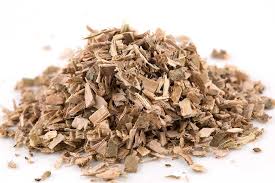

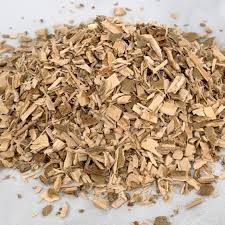

Willow Bark
Willow Bark comes from various species of the willow tree (Salix spp.), especially Salix alba (white willow). It’s sometimes called “nature’s aspirin” because it contains salicin, a compound the body converts into salicylic acid — the natural forerunner of modern aspirin. For centuries, willow bark has been used as a natural remedy for pain, fever, and inflammation.
✅ What Is Willow Bark?
- Plant: Willow tree (Salix species).
- Part used: Bark from young branches.
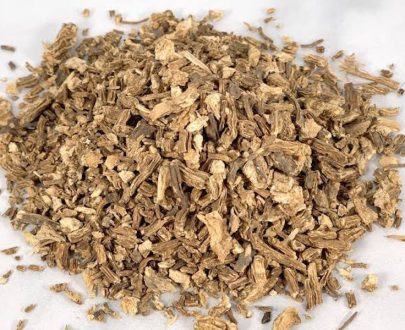
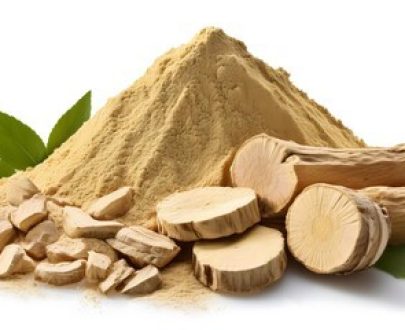
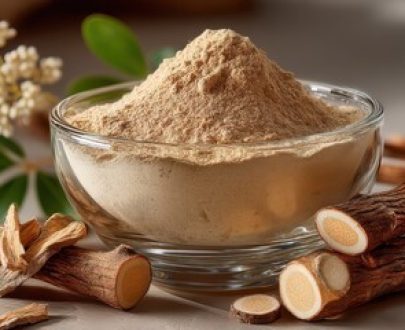
- Form: Available as dried bark, powder, capsules, or liquid extract.
- Taste: Bitter, earthy.
✅ Traditional & Historical Uses
- Ancient Egypt & Greece: Used as a remedy for fevers and aches.
- Traditional Chinese Medicine & Native American practices: For pain, inflammation, and rheumatism.
- 19th-century Europe: Led to the discovery of salicylic acid, which inspired the development of aspirin.
✅ Active Compounds
- Salicin: Main pain- and fever-reducing compound.
- Polyphenols & flavonoids: Provide antioxidant and anti-inflammatory benefits.
- Tannins: Astringent properties that support wound healing and digestion.
✅ Benefits of Willow Bark
- Natural pain relief: Headaches, lower back pain, joint pain.
- Fever reduction: Traditionally used like aspirin.
- Anti-inflammatory: Helps with arthritis, tendonitis, and muscle soreness.
- Antioxidant protection: Supports overall wellness and reduces oxidative stress.
- Skin health (topical use): Used in acne and exfoliating treatments because of salicylic acid effects.
✅ How to Use Willow Bark
- Tea/Decoction: Simmer 1–2 tsp dried bark in a cup of water for 10–15 minutes.
- Capsules/Tablets: Standardized doses (e.g., 60–240 mg salicin daily).
- Tincture: 2–4 mL in water, 2–3 times per day.
- Topical extracts: Used in skin care products for acne and exfoliation.
✅ Safety & Side Effects
- Generally safe in moderate amounts.
- Possible effects: stomach upset, nausea, allergic reactions.
- Not recommended for children/teens with viral infections (risk of Reye’s syndrome — same warning as aspirin).
- Avoid if allergic to aspirin/salicylates.
- May interact with blood thinners, NSAIDs, and certain medications.
✅ Willow Bark vs. Aspirin
- Willow Bark: Gentler, slower onset of action, but longer-lasting effects.
- Aspirin: Faster pain relief but higher risk of stomach irritation and bleeding.
➡️ Willow bark is often chosen by those who want a natural alternative with fewer side effects.
Specification: Willow Bark
|







There are no reviews yet.