


Slippery Elm Bark
Slippery elm bark comes from the inner bark of a tree. People use it to soothe throat and stomach problems. It becomes slippery in water and is safe and gentle.
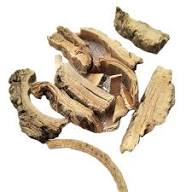
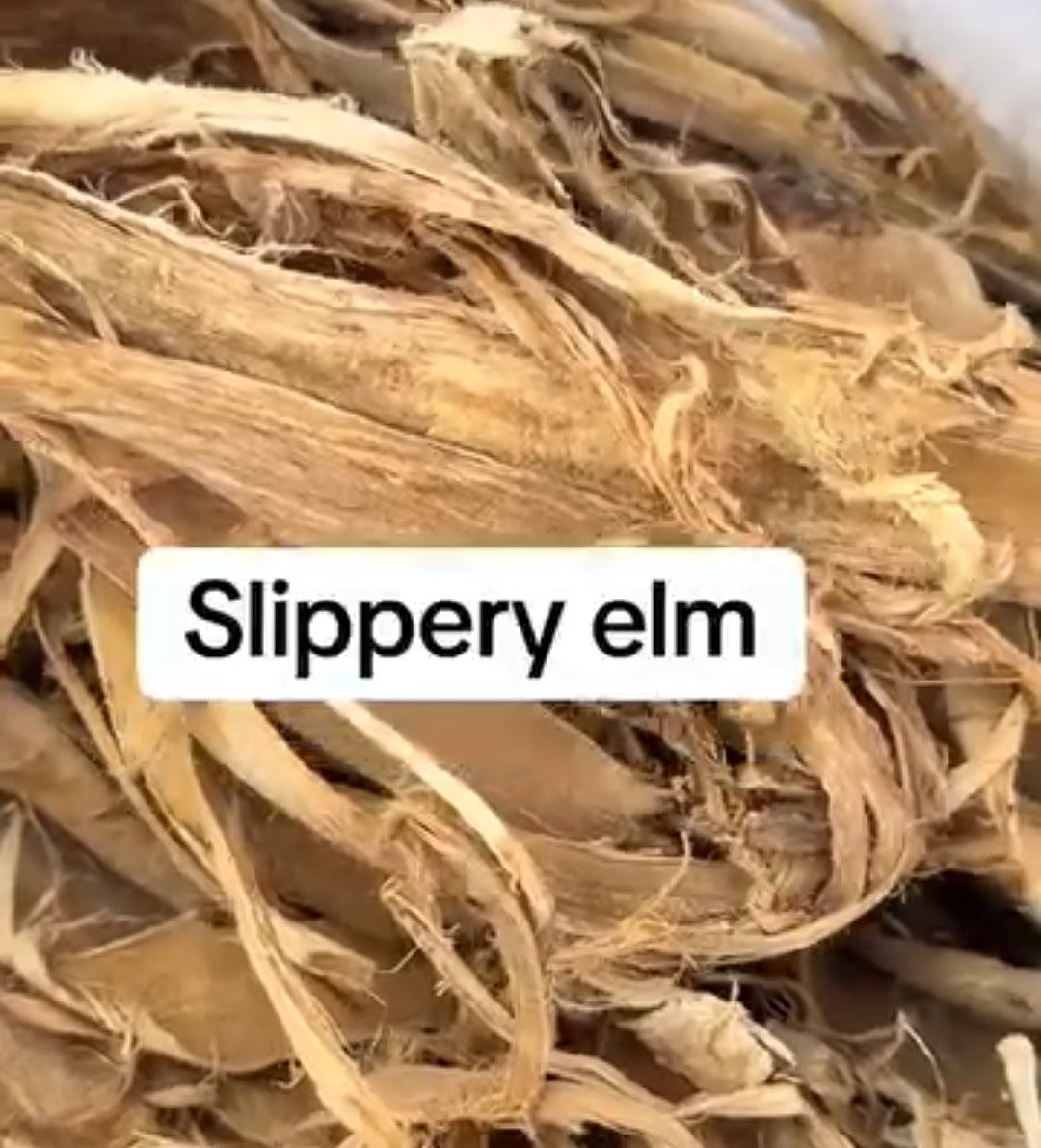
Slippery elm bark comes from the inner bark of the slippery elm tree.
The scientific name is Ulmus rubra. It grows mainly in North America. The bark is reddish-brown, and when mixed with water, it becomes slimy or mucilaginous, which is why it is called “slippery.”
What Is Slippery Elm Bark Used For?
Slippery elm bark is used as an herbal medicine, not regular food. People traditionally use it to:
- Soothe throat irritation
- Calm coughs and sore throats
- Support digestion and stomach health
- Reduce heartburn or acid reflux
- Help with constipation or diarrhea (acts as a gentle bulk-forming agent)
How It Works
Slippery elm bark contains mucilage, a natural gel-like substance. This helps to:
- Coat and soothe irritated tissues
- Reduce inflammation in the throat and stomach
- Ease bowel movements gently
How Slippery Elm Bark Is Used
- Mixed with hot water to make tea or porridge
- Can be taken in capsules or powder
- Used externally in soothing pastes for minor skin irritation
It is safe and gentle for most people.
Safety and Caution
- Safe for most adults and children
- Pregnant or breastfeeding women should consult a doctor
- Can reduce absorption of some medications (take 1–2 hours apart)
- Use only the inner bark, not the outer bark
Bark vs Powder
- Bark: brewed as tea, traditional use
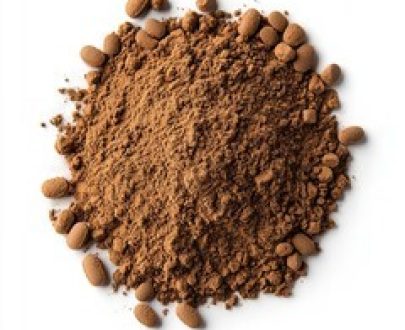
- Powder: easier to mix in drinks or capsules
Specification: Slippery Elm Bark
|




There are no reviews yet.