
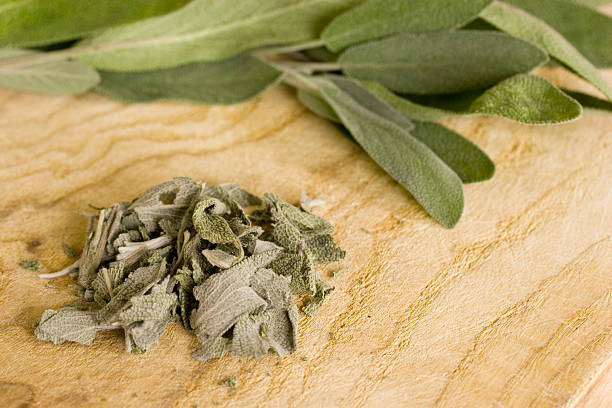
Sage Herb
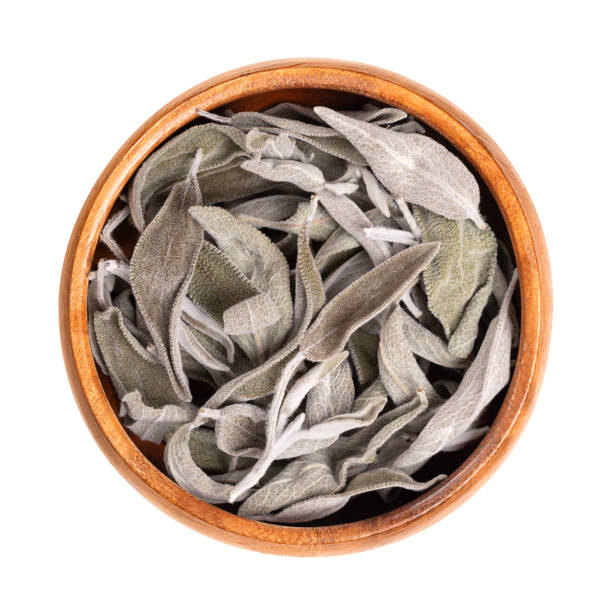
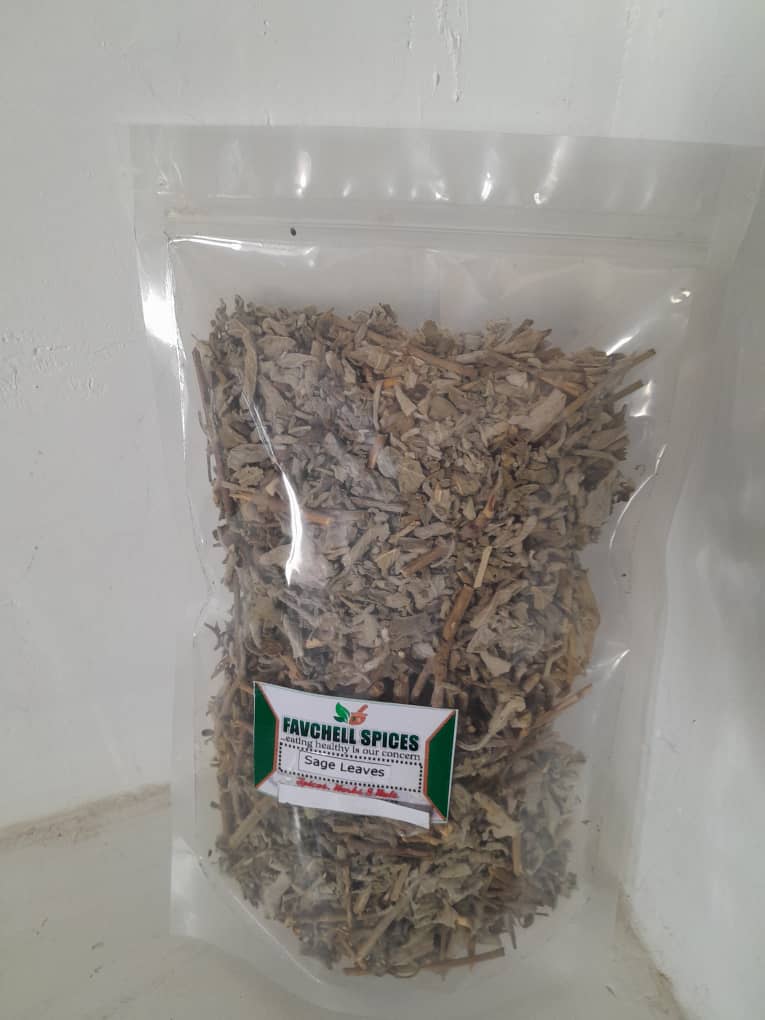
Sage (Salvia officinalis) is a perennial evergreen shrub from the mint family (Lamiaceae). It has gray-green, velvety leaves with a slightly peppery, earthy flavor and a strong, herbal aroma. The name Salvia comes from the Latin word “salvare,” meaning “to heal, reflecting its long history in medicine and cooking.
Price range: ₦5,000.00 through ₦30,000.00
Sage (Salvia officinalis) is a perennial evergreen shrub from the mint family (Lamiaceae). It has gray-green, velvety leaves with a slightly peppery, earthy flavor and a strong, herbal aroma. The name Salvia comes from the Latin word “salvare,” meaning “to heal, reflecting its long history in medicine and cooking.
Culinary Uses of Sage
Sage is a classic culinary herb often used in Mediterranean and European cuisine.
- Pairs well with: poultry, pork, lamb, sausage, beans, and root vegetables.
- Classic dishes: stuffing (like Thanksgiving turkey stuffing), Italian pasta with butter and sage, sausages, and roasted meats.
- Forms used: fresh leaves, dried leaves, powdered sage.
Its flavor is intense, so usually just a few leaves or a pinch is enough.
Traditional & Medicinal Uses
Sage has been valued for centuries as both food and medicine. Traditionally, it was used for:
✅ Digestive aid → helps with bloating, gas, and indigestion.
✅ Memory and cognition → historically called “the thinker’s herb.” Some studies suggest sage extracts may support memory and concentration.
✅ Oral health → sage teas and rinses were used for sore throats, mouth ulcers, and gum problems due to antibacterial effects.
✅ Menopause & PMS relief → Sage tea is a traditional remedy for hot flashes and hormonal symptoms.
✅ Antioxidant properties → contains compounds like rosmarinic acid that help reduce inflammation.
Other Uses
- Spiritual/ritual use: Burning dried sage bundles (often white sage) is called smudging, traditionally used by Indigenous peoples for purification and cleansing rituals.
- Gardening: Sage is also grown as an ornamental plant and attracts pollinators like bees.
Precautions
- Culinary use is safe.
- Medicinal doses or concentrated extracts (like sage essential oil) should be used carefully, since high amounts of thujone, a compound in common sage, may cause side effects.
Pregnant women should avoid excessive sage consumption in medicinal forms.
Specification: Sage Herb
|





There are no reviews yet.