


Rhubarb Root
It’s considered both a “purge herb” (cleansing) and a “tonic herb” (restorative) depending on dosage.
Rhubarb root (Rheum palmatum or Rheum officinale) has been used for thousands of years in Traditional Chinese Medicine (TCM), Tibetan medicine, and Ayurveda as both a powerful digestive aid and a detoxifying herb. Unlike the rhubarb stalks used in pies, the root is medicinal, not culinary — known for its bitter taste and strong laxative effect when taken in larger amounts.
Rhubarb Root
- Derived from the dried roots of the rhubarb plant.
- Main species used:
- Chinese rhubarb (Rheum palmatum, Rheum officinale) →
- Garden rhubarb (Rheum rhabarbarum) → culinary, not the same.
- Contains anthraquinones (responsible for laxative effect) and tannins (astringent properties).
Properties
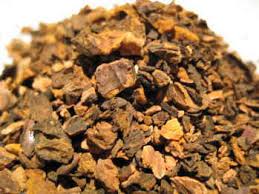
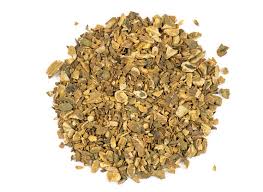
- Appearance: Brownish-yellow dried root pieces or powder.
- Taste: Strongly bitter, earthy.
- Active compounds:
- Anthraquinones (rhein, emodin) → stimulate bowel movement.
- Tannins → astringent, help with diarrhea in small doses.
- Polyphenols → antioxidant effects.
Health Benefits
Digestive Health
- Laxative: Stimulates bowel movements (useful for constipation).
- Dual action: In small amounts → tones and firms intestines (helpful for diarrhea).
- Bitter tonic: Stimulates bile flow, aiding digestion.
Detoxification
- Traditionally used to cleanse the liver and colon.
- Supports removal of toxins and waste buildup.
Anti-Inflammatory & Antimicrobial
- May reduce gut inflammation.
- Shown to have antibacterial and antifungal properties
Other Traditional Uses
- Blood mover in TCM → used for stagnation conditions.
- Skin health → sometimes applied externally for boils and skin eruptions.
How to Use Rhubarb Root
- Tea/decoction: Simmer 1–2 g dried root in water for 10–15 mins.
- Powder: ½–1 tsp in capsules or mixed with water (very bitter).
- Tincture: Common in herbal medicine for controlled dosing.
- Important: Effects depend on dose:
- Small dose → astringent, digestive tonic.
- Larger dose → laxative, purgative.
Safety & Precautions
- Potent herb → should be used with care.
- Short-term use only for constipation (not habit-forming laxative like senna, but still strong).
- Avoid if:
- Pregnant or breastfeeding.
- Chronic diarrhea or inflammatory bowel conditions.
- Kidney issues (contains oxalates).
- Long-term overuse can cause an electrolyte imbalance.
✅ Quick DIY – Rhubarb Root Digestive Tea
- 1 g dried rhubarb root (about ½tsp)
- 1 cup hot water
- Steep 10 minutes, strain, and sip after heavy meals
→ Helps digestion in small doses, relieves constipation in larger amounts.
Specification: Rhubarb Root
|


There are no reviews yet.