

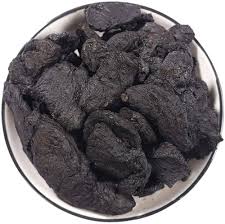
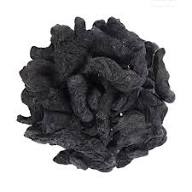
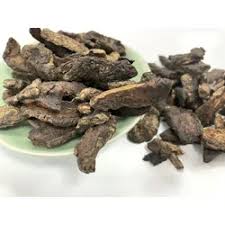
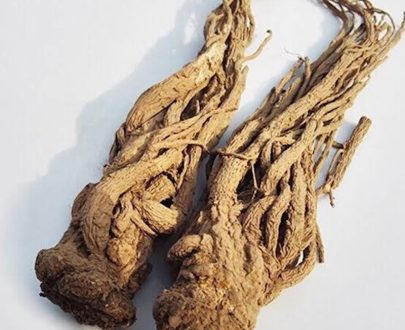
Rehmannia Herb Dried Berry
It’s considered a kidney and liver tonic herb in TCM and is often used to restore vitality, improve blood health, balance hormones, and support longevity.
Rehmannia herb dried berry comes from the root and fruit of Rehmannia glutinosa, a highly valued plant in Traditional Chinese Medicine (TCM). While the root (often called Shu Di Huang when prepared) is most widely used, the dried berry-like fruits are also incorporated into herbal blends. Rehmannia is sometimes called the “ginseng for the blood” because of its deep nourishing and restorative qualities.
What is Rehmannia Herb
- Botanical name: Rehmannia glutinosa.
- Used for over 2,000 years in Chinese and Korean medicine.
- Parts used: mainly the root (fresh, dried, or steamed), but also dried fruits/berries in some formulations.
- Known as:
- Sheng Di Huang (raw root) → cooling, clears heat, nourishes yin.
- Shu Di Huang (steamed root) → warming, tonifying, restores essence.
Properties
- Appearance: Dark, shriveled, berry-like dried pieces.
- Taste: Sweet, slightly bitter, earthy.
- Energetics (TCM): Nourishes yin, blood, kidneys, and liver.
- Key compounds: Iridoid glycosides (catalpol, rehmannioside), phenolic acids, amino acids, vitamins.
Health Benefits
Traditional Uses
- Kidney tonic → supports adrenal health, vitality, and longevity.
- Blood nourisher → used in anemia, dizziness, or menstrual weakness.
- Hormonal balance → supports fertility, menopause, and menstrual cycles.
- Immune support → boosts resistance and reduces inflammation.
- Cooling & detoxifying → clears heat from the blood in fevers or skin conditions.
Modern Research Highlights
- Anti-inflammatory → may help arthritis and autoimmune conditions.
- Neuroprotective → studied for memory and cognitive support.
- Blood sugar regulation → may aid in diabetes management.
- Liver-protective → supports detoxification and repair.
- Anti-aging properties → linked to its antioxidant and adaptogenic compounds.
How It’s Used
- Teas & decoctions → simmer with other herbs (often paired with goji berries, licorice, or ginseng).
- Powdered form → blended into capsules or tonics.
- Herbal wines/extracts → traditional elixirs for longevity.
- Herbal formulas → often part of famous TCM blends like Liu Wei Di Huang Wan (Kidney Yin tonic).
Safety & Precautions
- Generally safe when used in traditional doses.
- Not for everyone:
- Avoid in cases of spleen qi deficiency with dampness (loose stools, poor digestion).
- Use with caution in pregnancy unless prescribed by a practitioner.
- May interact with medications for diabetes, blood pressure, or blood-thinning.
✅ Quick Herbal Tonic Tea (Traditional)
- 1tbsp dried Rehmannia berry/root
- 1tbsp goji berries
- 3–4 red dates (jujube)
- Simmer 20–30 minutes → sweet, nourishing tonic for energy, blood, and kidney health.
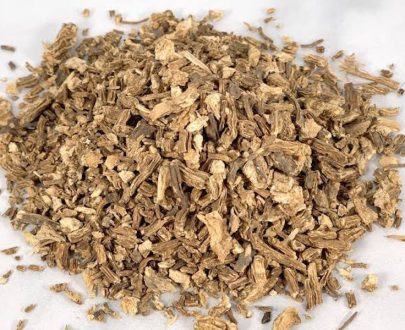
Specification: Rehmannia Herb Dried Berry
|




There are no reviews yet.