
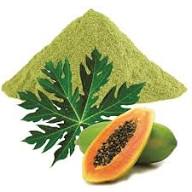


Papaya/Pawpaw Leaf Powder
Papaya (Pawpaw) leaf powder is different from the fruit powder. It’s made by drying and grinding the leaves of the papaya (Carica papaya) plant. The leaves are much more medicinal in traditional use compared to the fruit, and are often consumed as tea, capsules, or powder mixed with water.
Papaya (Pawpaw) leaf powder is different from the fruit powder. It’s made by drying and grinding the leaves of the papaya (Carica papaya) plant. The leaves are much more medicinal in traditional use compared to the fruit, and are often consumed as tea, capsules, or powder mixed with water.
Here’s the full breakdown:
Papaya Leaf Powder
- Papain & chymopapain – digestive enzymes that help break down proteins.
- Flavonoids & alkaloids – natural plant compounds with antioxidant and anti-inflammatory effects.
- Vitamin C & E – immunity and skin health.
- Iron – supports red blood cell production.
- Acetogenins – bioactive compounds linked to anticancer potential (under research).
Traditional & Researched Benefits
- Dengue fever support
- Papaya leaf extract is widely studied for helping increase platelet counts in dengue patients.
- Several small clinical trials suggest it can reduce the risk of severe bleeding.
- Usually given as juice or decoction, but the powder can be rehydrated.
- Digestive health
- Enzymes help with indigestion, gas, and constipation.
- Anti-inflammatory & pain relief
- Used in traditional medicine for joint pain, menstrual cramps, and inflammation.
- Blood sugar control
- May help lower blood glucose levels by improving insulin sensitivity.
- Immune booster
- Antioxidants (vitamins C & E, flavonoids) support general immunity.
- Skin health
- Powder can be used in masks to reduce acne, scars, or skin infections.
How People Use It
- As tea: 1tsp leaf powder steeped in hot water, taken once or twice daily.
- In smoothies: ½–1tsp blended with juice or smoothies (slightly bitter taste).
- Capsules/tablets: Convenient for those who dislike the bitterness.
- Topically: Mixed with honey, aloe, or coconut oil for skin application.
Safety & Precautions
- Taste: It’s bitter — some people find it hard to drink.
- Pregnancy: Traditionally avoided in pregnancy due to the risk of uterine contractions.
- Bleeding risk: May interact with blood thinners (like warfarin or aspirin).
- Allergies: People allergic to papaya latex should avoid it.
- Dosage caution: Too much can cause nausea or stomach upset.
✅ Typical safe dose:
- Powdered form: 1–2 teaspoons per day (divided).
- As tea: 1tsp in 1 cup hot water, once or twice daily.
Quick difference vs Papaya Fruit Powder:
- Fruit Powder: Nutritious, sweet, mainly for digestion & immunity.
- Leaf Powder: More medicinal, bitter, used for dengue, blood sugar, inflammation, and platelet support.
Specification: Papaya/Pawpaw Leaf Powder
|






There are no reviews yet.