


Mugwort Herb
Mugwort herb is a multi-use plant — great for digestion, women’s health, relaxation, and traditional healing practices. But it’s powerful, so it should be used in moderation and avoided by pregnant women or those with certain health conditions.
Mugwort herb is one of those plants that shows up in traditional medicine, culinary use, and even spiritual practices. Let’s unpack it so you have the full picture.
What is Mugwort
- Botanical name: Artemisia vulgaris.
- A hardy, aromatic plant in the daisy family (related to wormwood and sage).
- Native to Europe, Asia, and North America.
- Traditionally used in herbal medicine, cooking, and rituals for centuries.
Health Benefits of Mugwort Herb
- Digestive Aid
- Stimulates stomach acid and bile production.
- Traditionally used for indigestion, bloating, gas, and loss of appetite.
- Menstrual & Reproductive Health
- Known as an emmenagogue (stimulates menstrual flow).
- Used for easing irregular periods, cramps, and menopausal symptoms.
- ⚠️ Because of this, it is NOT safe during pregnancy (may cause uterine contractions).
- Calming & Sleep Support
- Mildly relaxing and sometimes used as a sleep aid or for anxiety.
- In some traditions, mugwort is linked to vivid dreams (often used in “dream pillows”).
- Antimicrobial & Anti-inflammatory
- Contains compounds that may help fight bacteria and reduce inflammation.
- Used topically for wounds or skin irritation.
- Traditional Chinese Medicine (TCM)
- Mugwort leaves are burned in moxibustion therapy (a technique where heat is applied to acupuncture points).
- Believed to strengthen energy (“qi”) and improve circulation.
How It’s Used
- Tea (herbal infusion): For digestion or menstrual support.
- Smudging/incense: Burned for ritual or dreamwork.
- Culinary herb: Used in some European and Asian cuisines (bitters, flavoring for meat or rice cakes in Japan & Korea).
- Poultice/topical: Crushed leaves applied to skin in folk medicine.
Side Effects & Precautions
- Pregnancy warning: Can stimulate the uterus → risk of miscarriage.
- Allergies: Related to ragweed, daisies, marigolds — may trigger hay fever or skin irritation.
- Overuse: Large doses can be toxic to the liver and nervous system (contains thujone, also found in wormwood).
- Epilepsy caution: Thujone may lower seizure threshold.
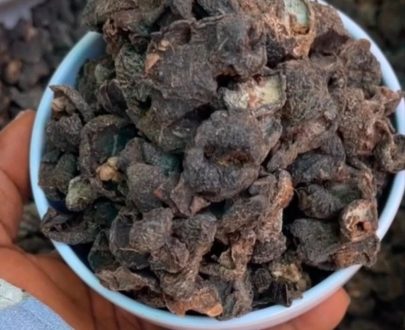
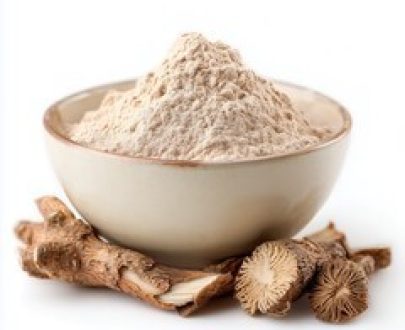
Specification: Mugwort Herb
|






There are no reviews yet.