
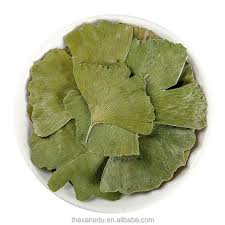
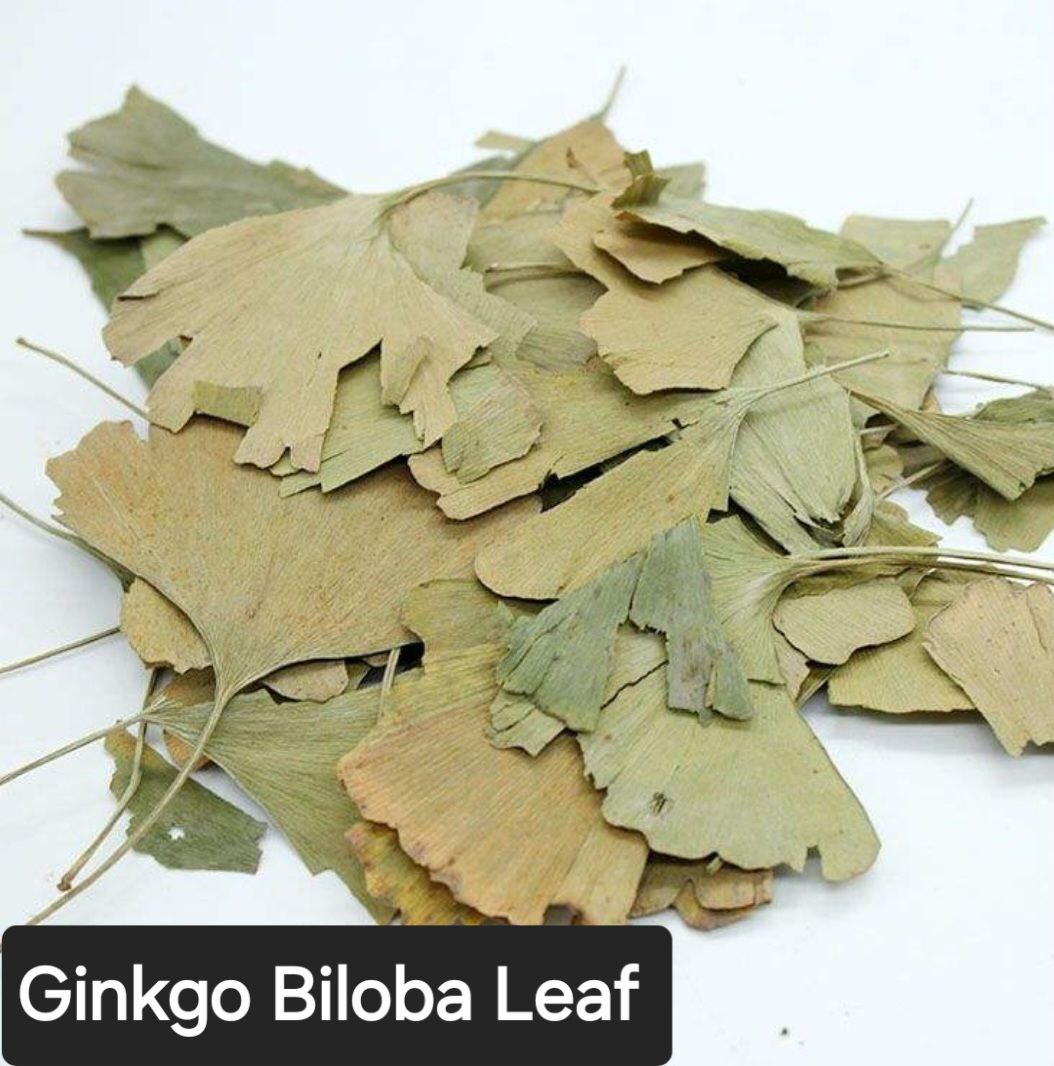
Ginkgo Biloba Leaf
Whole leaf tea is gentler but less potent than standardized extract — it’s better for long-term daily use.
Ginkgo biloba leaf comes from the Ginkgo tree, often called a “living fossil” because it has existed for over 200 million years. While Ginkgo extract (standardized) is widely used today, the whole dried leaf is still valued in herbal medicine and teas for its gentle support for memory, circulation, and overall vitality.
What It Is
- Botanical name: Ginkgo biloba
- Common names: Maidenhair Tree, Bai Guo Ye (Chinese)
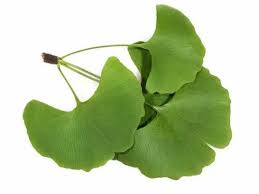
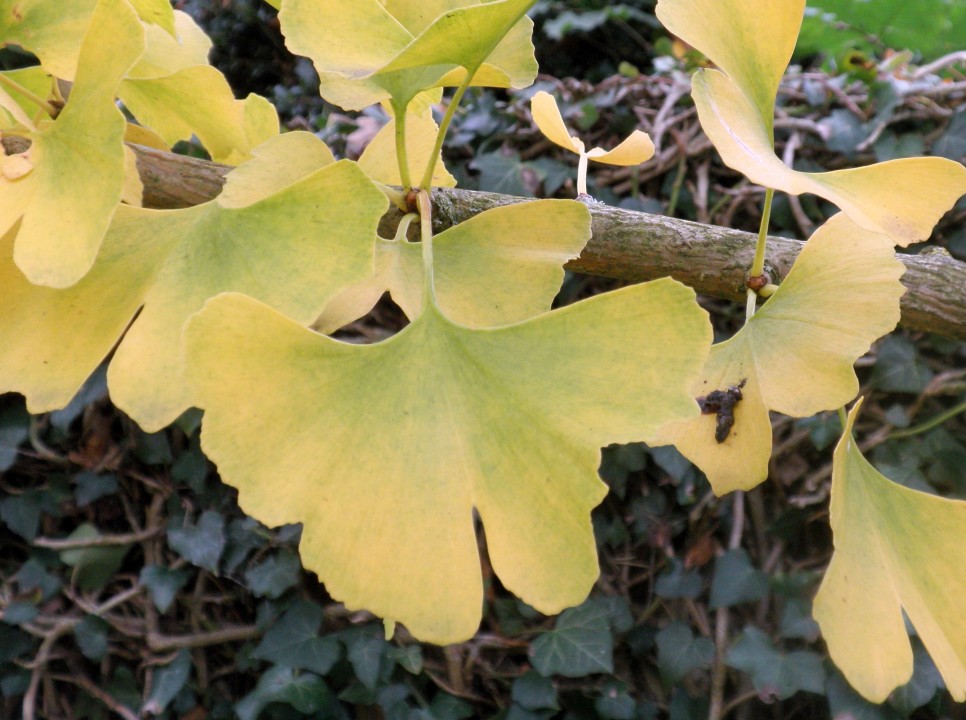
- Part used: Leaves (fan-shaped, bright green when fresh)
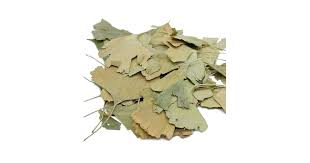
- Form: Dried whole leaves or cut & sifted for teas, tinctures, and infusions
- Taste: Mildly bitter, slightly earthy
Key Active Compounds
- Flavone glycosides → antioxidants, protect blood vessels
- Terpene lactones (ginkgolides, bilobalide) → support brain and nerve function
- Proanthocyanidins → anti-aging and vascular health
- Chlorophyll & polyphenols → detox and immune support
(Note: Whole leaf has lower concentrations of these compounds compared to standardized extract.)
Health Benefits of Ginkgo Leaf
- Memory & Focus
- Enhances blood flow to the brain
- May improve concentration and mild age-related memory decline
- Circulation Support
- Promotes healthy blood vessel function
- Helpful for cold extremities, leg cramps, and varicose veins
- Eye & Ear Health
- Supports blood flow to the eyes → helps with glaucoma and macular degeneration
- May ease tinnitus (ringing in the ears) and dizziness
- Stress & Mood Balance
- Gentle calming effect on the nervous system
- May reduce anxiety and mild depression symptoms
- Antioxidant Protection
- Slows down oxidative stress linked with aging
- Protects cells from free radical damage
Traditional & Modern Uses
- Traditional Chinese Medicine (TCM): Used for lung health, asthma, bronchitis, and circulation problems
- Western herbalism: Used in teas and tinctures for memory, focus, and blood flow
- Modern: Found in capsules, teas, and blends for brain and vascular health
Side Effects & Precautions
- Generally safe when consumed as tea or infusion
- High doses may cause mild headache, dizziness, or stomach upset
- May thin the blood → caution with anticoagulants (warfarin, aspirin, etc.)
- Avoid before surgery
- Not recommended during pregnancy and breastfeeding without medical advice
How to Use Ginkgo Leaf
- Tea/Infusion → 1tsp dried leaf per cup, steep 5–10 minutes; drink 1–2 cups daily
- Tincture → Made by soaking leaves in alcohol; 1–2 ml, 2–3 times daily
- Powder → ½tsp in smoothies, warm water, or capsules
- Herbal blends → Often combined with Gotu Kola, Bacopa, or Green Tea for memory & focus
Specification: Ginkgo Biloba Leaf
|





There are no reviews yet.