
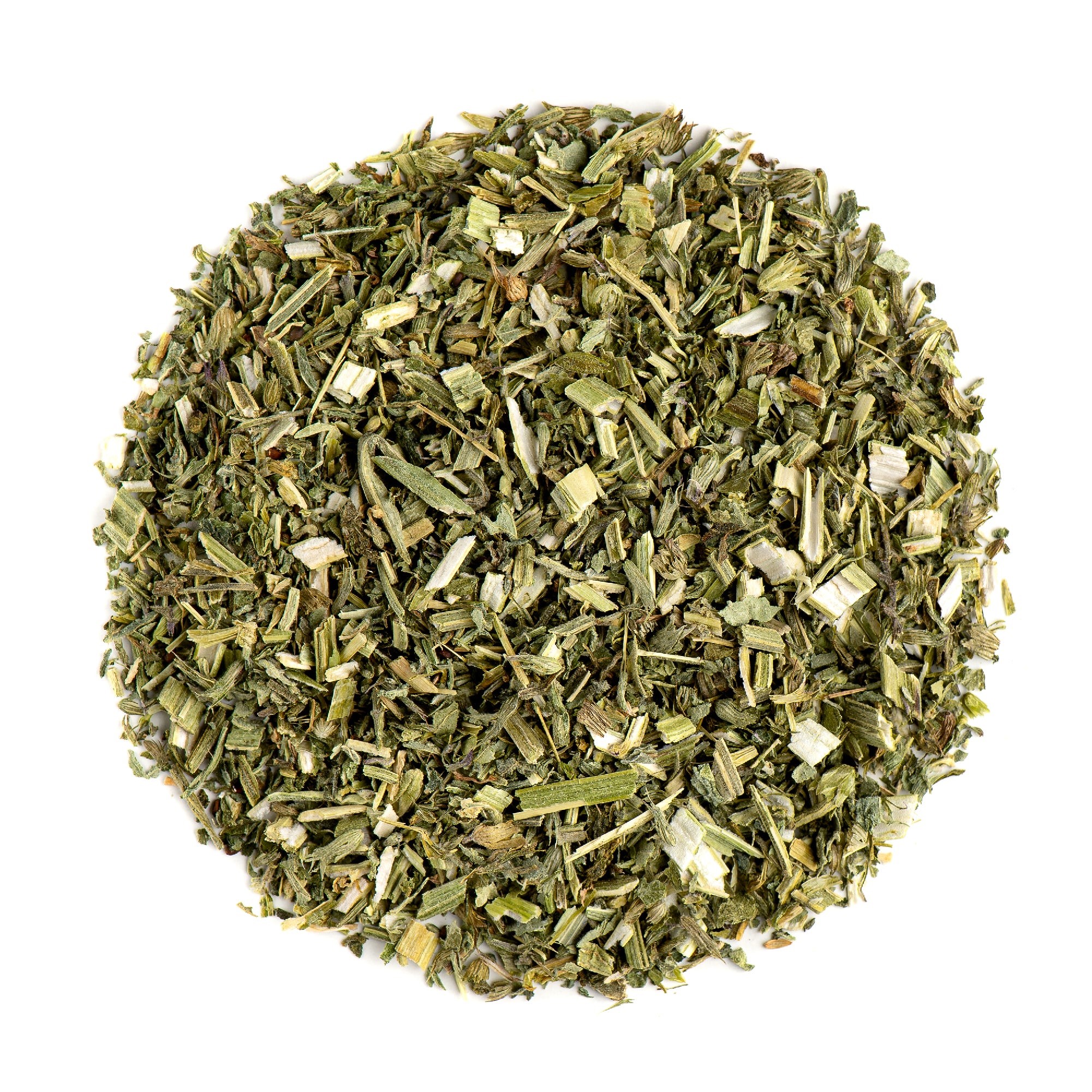
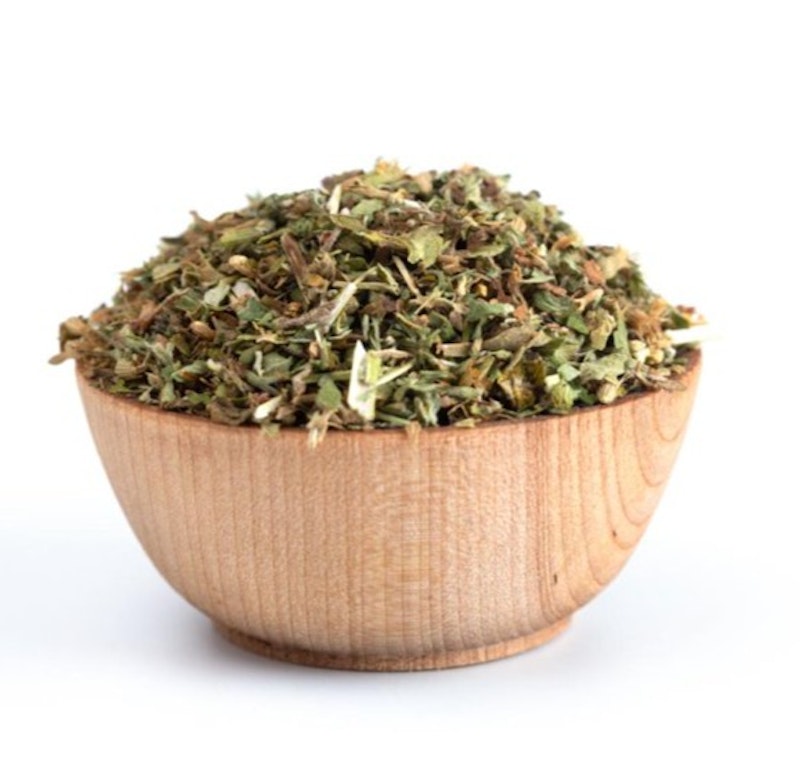
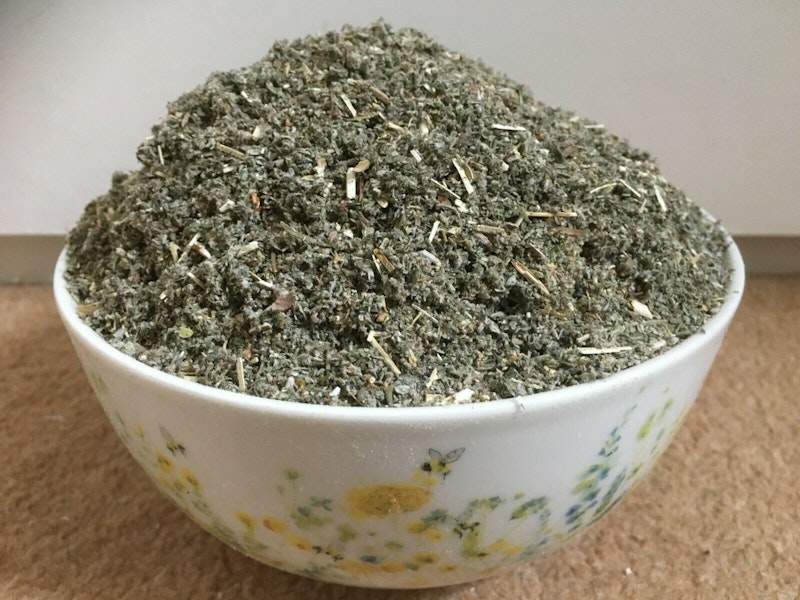
Catnip Herb
Catnip isn’t just for cats — it’s a calming herb for humans too. It’s safe, soothing, and fun, with a long history in folk medicine.
Catnip Herb! This one is famous because cats love it, but it’s also useful for humans.
Catnip
- Scientific name: Nepeta cataria
- A perennial herb in the mint family (Lamiaceae).
- Grows in North America, Europe, and Asia.
- Looks similar to mint: jagged green leaves and clusters of small white/purple flowers.
Catnip & Cats
- Contains nepetalactone, an essential oil that triggers a response in cats.
- Effects on cats:
- Rolling, rubbing, purring, hyperactive play.
- Lasts ~10–15 minutes, then wears off.
- Not addictive, and not all cats respond (about 30–40% are immune).
- Safe for cats, but too much can cause mild stomach upset.
Catnip for Humans
People sometimes forget that catnip is also a medicinal herb for humans!
✅ Traditional Uses
- Relaxation & Sleep Aid
- Mild sedative effect, often made into tea.
- Used in folk medicine for insomnia and anxiety.
- Digestive Health
- Tea can help relieve indigestion, gas, and cramps.
- Cold & Flu Relief
- Sometimes used to reduce fever and ease coughs.
- Topical Use
- Crushed catnip leaves can soothe minor skin irritation (like bug bites).
Active Compounds
- Nepetalactone – affects cats’ behavior, mild calming effect in humans.
- Flavonoids & tannins – contribute to antioxidant and anti-inflammatory effects.
- Volatile oils – aromatic, relaxing.
Safety Notes
- Generally safe in tea or herbal form, but excessive use may cause headaches or nausea in some people.
- Not recommended for pregnant women (can stimulate uterine contractions).
- For cats, use in moderation — it should be a treat, not daily.
Common Uses Today
- Cat toys & sprays (dried herb or oil for feline enrichment).
- Herbal tea for relaxation.
- Essential oil (less common, but sometimes used in aromatherapy).
Specification: Catnip Herb
|






There are no reviews yet.