
Buckwheat
Buckwheat is a gluten-free pseudocereal packed with protein, fiber, minerals, and antioxidants. It supports heart health, blood sugar balance, and digestion, and is used globally in porridges, noodles, pancakes, and teas. A fantastic choice for both nutrition and culinary variety.
Buckwheat is one of those foods people often confuse with wheat, but it’s actually quite different (and naturally gluten-free!). Let’s unpack it clearly:
Buckwheat
- Scientific name: Fagopyrum esculentum (sometimes Fagopyrum tataricum for “tartary buckwheat”).
- Plant Type: A pseudocereal — meaning it’s used like a grain but isn’t a true cereal grass like wheat, rice, or barley.
- Family: Polygonaceae (same family as rhubarb and sorrel).
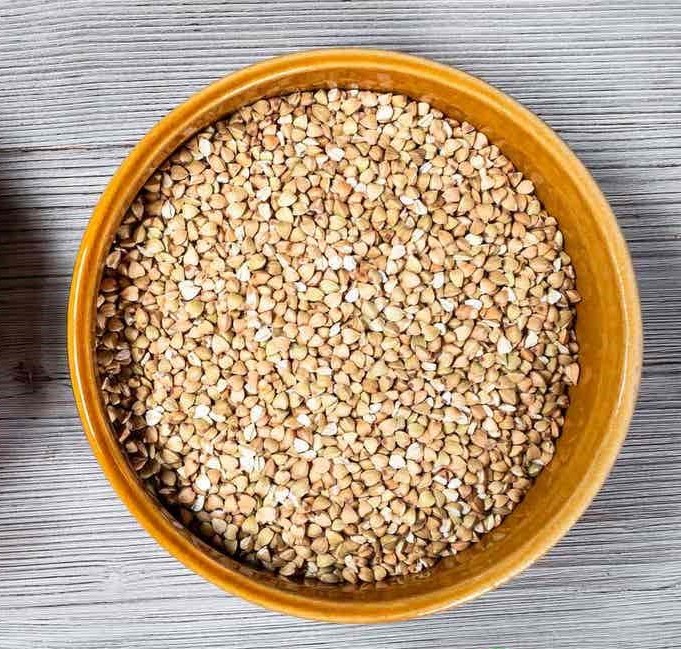
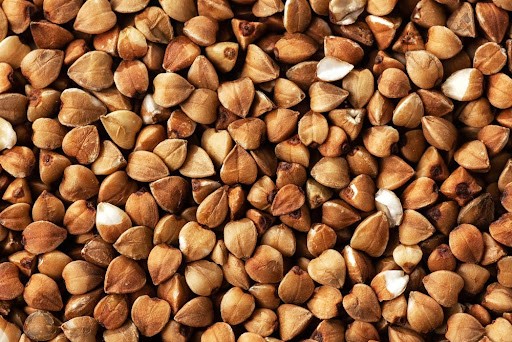
- Appearance: Triangular, dark brown seeds with a hard hull; inside is a white, nutty-tasting groat.
Common Forms
- Buckwheat Groats: Whole, hulled seeds (can be cooked like rice or porridge).
- Kasha: Roasted buckwheat groats, common in Eastern European cuisine.
- Buckwheat Flour: Used in pancakes, noodles, and baking.
- Buckwheat Tea (Soba-cha): Popular in Japan and Korea.
- Buckwheat Honey: Dark, rich-flavored honey made from buckwheat flowers.
Nutritional Profile
Buckwheat is nutrient-dense and especially valuable for those avoiding gluten.
🔹 Key Nutrients
- Protein: Rich in essential amino acids, especially lysine (rare in cereals).
- Fiber: Supports digestion and gut health.
- Minerals: High in magnesium, manganese, copper, and iron.
- Vitamins: B vitamins, especially niacin, riboflavin, and folate.
- Antioxidants: Rutin (supports blood vessels), quercetin, and D-chiro-inositol (linked to blood sugar regulation).
Health Benefits
- Gluten-Free Grain Alternative: Safe for celiac and gluten-sensitive people.
- Heart Health: Rutin strengthens capillaries, lowers blood pressure, and supports circulation.
- Blood Sugar Regulation: Low to moderate glycemic index, may improve insulin sensitivity.
- Digestive Health: Fiber supports the gut microbiota and helps prevent constipation.
- Weight Management: High in protein and fiber → keeps you full longer.
- Anti-inflammatory Effects: Thanks to flavonoids and polyphenols.
Cultural & Culinary Importance
- Japan: Used for soba noodles.
- Russia/Ukraine/Poland: Kasha is a staple porridge and side dish.
- France: Used in galettes (savory crepes) in Brittany.
- China/Tibet: Traditional buckwheat noodles and teas.
Considerations
- Allergies: Rare, but some people can develop a buckwheat allergy (especially in Asia).
- Oxalates: Contains oxalates (like spinach) — those with kidney stones may need moderation.
- Raw Buckwheat: Consuming large amounts of raw (especially sprouts) may cause skin sensitivity in some individuals.
Specification: Buckwheat
|








There are no reviews yet.