
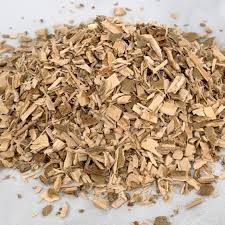
Willow Bark Powder
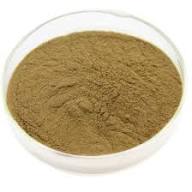
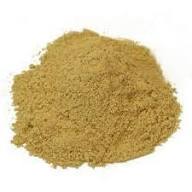
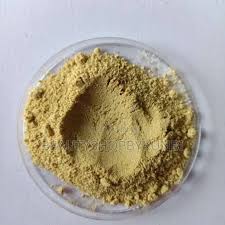
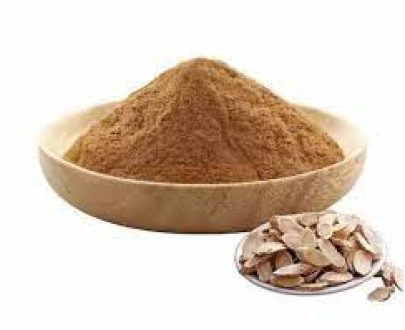
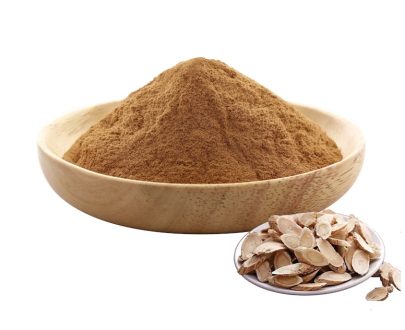
Willow Bark Powder is made by drying and finely grinding the inner bark of the willow tree (Salix species, especially Salix alba). It’s one of the most traditional and versatile forms of willow, used for making teas, capsules, poultices, and herbal blends. Like all willow preparations, it’s valued as a natural pain reliever, fever reducer, and anti-inflammatory.
✅ What Is Willow Bark Powder
- Plant: Salix alba (White Willow) and related species.
- Part used: Inner bark.
- Form: Fine, light brown powder.
- Taste: Bitter and woody.
✅ Traditional & Historical Uses
- Ancient Egypt & Greece: Used for fevers and body aches.
- Native Americans: Brewed bark tea for headaches, colds, and sore muscles.
- European herbalists: Popular in the 18th–19th centuries for rheumatism and arthritis.
✅ Active Compounds
- Salicin: The main compound, metabolized in the body to salicylic acid (similar to aspirin).
- Polyphenols & flavonoids: Anti-inflammatory and antioxidant.
- Tannins: Astringent, supporting gut and skin health.
✅ Benefits of Willow Bark Powder
- Pain relief: Useful for headaches, lower back pain, and joint pain.
- Anti-inflammatory: Helps with arthritis, tendonitis, and sore muscles.
- Fever reduction: A traditional natural substitute for aspirin.
- Antioxidant properties: Protects against oxidative stress.
- Digestive & skin support: Can soothe minor gut upset and be used in skincare.
✅ How to Use Willow Bark Powder
- Tea/Infusion: 1tsp powder simmered in 1 cup water for 10–15 minutes, strained before drinking.
- Capsules: Homemade or store-bought, typically 300–500 mg per capsule.
- Poultice (external): Powder mixed with warm water to form a paste, applied to sore joints or muscles.
- Herbal blends: Combined with turmeric, ginger, or boswellia for joint support formulas.
✅ Safety & Side Effects
- Generally safe in moderate use.
- Possible side effects: nausea, upset stomach, allergic reaction (especially if sensitive to aspirin).
- Avoid if:
- You’re allergic to aspirin/salicylates.
- You’re on blood thinners or NSAIDs.
- You’re under 18 with a viral infection (due to Reye’s syndrome risk).
- Pregnant/breastfeeding women should consult a doctor before use.
✅ Powder vs. Extract vs. Whole Bark
- Powder: Versatile, easy to make tea, capsules, or poultices.
- Extract: Standardized potency, stronger and faster-acting.
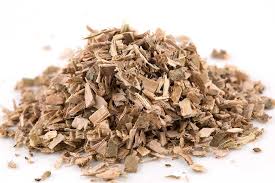
- Whole bark (cut): Best for traditional decoctions, gentler action.
➡️ Powder strikes a balance between traditional use and convenience.
Specification: Willow Bark Powder
|




There are no reviews yet.