
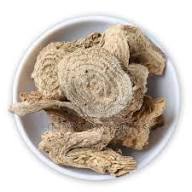
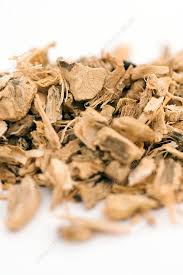
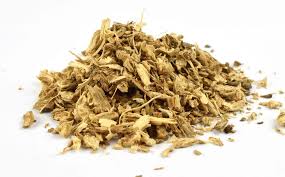
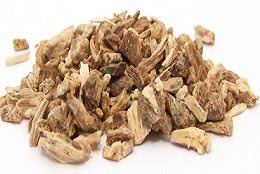
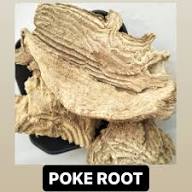
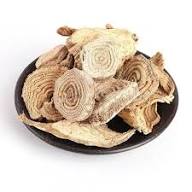
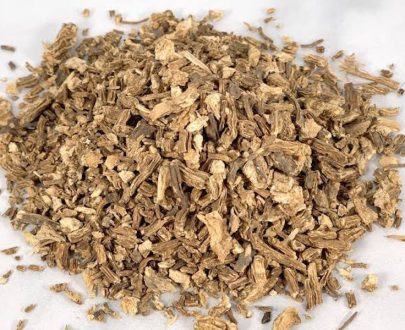
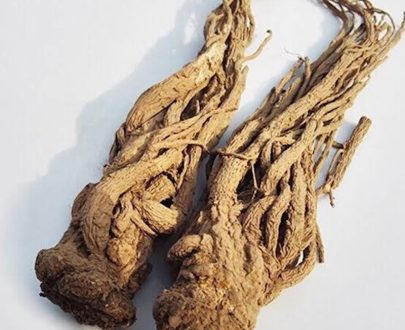
Poke Roots
Poke Root is a “low-dose botanical” → it can be helpful for certain conditions but is dangerous if misused. Unless working with a qualified herbalist, it’s better to avoid internal use.
Price range: ₦5,000.00 through ₦70,000.00
Poke Root comes from the pokeweed plant (Phytolacca americana), a large perennial native to North America. It’s a very powerful but also potentially toxic herb, traditionally used in small doses in folk and Native American medicine. Because of its strength, it’s considered an “herbalist’s herb” — not typically used casually.
What Poke Root Contains
- Triterpenoid saponins (phytolaccatoxin, phytolaccagenin) → biologically active, but toxic in large amounts.
- Lectins (pokeweed mitogen) → immune-stimulating, used in labs for research.
- Alkaloids & flavonoids → anti-inflammatory, antimicrobial.
Traditional & Herbal Uses (in very small doses)
- Immune Support: Used in folk medicine to stimulate the immune system.
- Lymphatic System Health: Herbalists used it for swollen lymph nodes, mastitis (breast inflammation), and glandular infections.
- Anti-Inflammatory & Pain Relief: Topically, poultices made from poke root were applied to arthritis, sore joints, and skin growths.
- Skin Conditions: Applied externally for boils, psoriasis, and eczema.
- Detox & “Blood Purifier” (folk use): Sometimes included in detox blends in tiny amounts.
Precautions (Very Important)
- Toxicity risk: All parts of pokeweed (root, berries, leaves, stems) contain toxic compounds. The root is the most poisonous part.
- Symptoms of overdose: Nausea, vomiting, diarrhea, difficulty breathing, low blood pressure, paralysis.
- Only for professional use: Modern herbalists either avoid it or use it only in extremely diluted tinctures.
- Not safe in pregnancy, breastfeeding, or for children.
- Topical use is safer than internal use, but even then, avoid broken skin.
✅ Safer Alternatives
- For lymphatic drainage & immune support, herbs like cleavers, echinacea, or red clover are much safer.
- For anti-inflammatory & joint pain, turmeric, ginger, or boswellia are better studied and non-toxic.
Specification: Poke Roots
|



There are no reviews yet.