



L – Tyrosine
L-Tyrosine is a brain-boosting amino acid that shines in stressful, high-demand situations — improving focus, alertness, and mental performance by fueling neurotransmitter production. Safe, effective, and especially useful for students, professionals, athletes, or anyone under pressure.
L-Tyrosine is a fascinating supplement! Let’s go step by step so you see what it is, how it works, and when it’s useful.
What is L-Tyrosine
- L-Tyrosine is a non-essential amino acid, meaning your body can make it naturally (mainly from another amino acid, phenylalanine).
- It’s found in high-protein foods like chicken, fish, dairy, nuts, and soy.
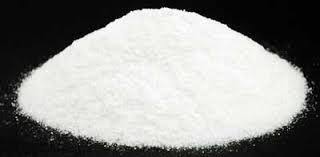
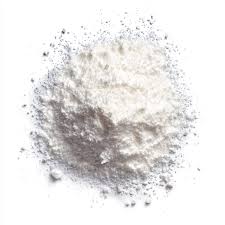
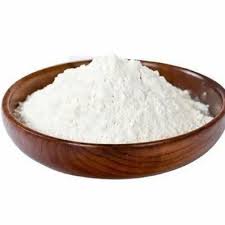
- In supplements, it’s usually sold in capsules or powder form.
The big reason people take it: it’s a building block for important brain chemicals.
Role in the Body
L-Tyrosine is the precursor (raw material) for several neurotransmitters and hormones:
- Dopamine – motivation, reward, pleasure
- Norepinephrine & Epinephrine – focus, alertness, “fight-or-flight” response
- Thyroid hormones (T3, T4) – metabolism regulation
- Melanin – pigment for skin, hair, and eyes
So, in simple terms, L-Tyrosine supports brain function, stress response, and metabolism.
Potential Benefits (Based on Research)
- Stress & Fatigue Resilience – May help the brain perform better under stress (cold, sleep deprivation, multitasking, military-like conditions).
- Cognitive Support – Improves alertness, memory, and focus in high-pressure situations.
- Mood Regulation – Since it supports dopamine production, it might help with low motivation and mild mood issues.
- Thyroid Health – Provides a building block for thyroid hormones (sometimes used in hypothyroidism support, but not a replacement for medication).
- Exercise & Performance – Some people use it to reduce fatigue during workouts.
👉 Important: benefits are most noticeable in stressful or demanding conditions, not necessarily in calm, everyday situations.
Typical Dosage
- General range: 500–2,000mg per day
- For cognitive support under stress, often 100–150 mg per kg of body weight (split doses) is used in studies.
- Best taken 30–60 minutes before a mentally or physically demanding task.
- Works well on an empty stomach for better absorption.
Side Effects & Precautions
- Usually well-tolerated, but possible side effects include: headache, nausea, heartburn, restlessness, or insomnia (especially if taken late in the day).
- Not recommended if you:
- Have hyperthyroidism or Graves’ disease (may overstimulate the thyroid).
- Take MAOI antidepressants (dangerous interaction due to excess neurotransmitter buildup).
- If you’re on thyroid medication or stimulants, check with a doctor first.
L-Tyrosine vs N-Acetyl L-Tyrosine (NALT)
- L-Tyrosine – better studied, effective, widely used.
- N-Acetyl L-Tyrosine (NALT) – claimed to be more bioavailable, but research shows it may not convert to L-Tyrosine efficiently in the body.
👉 Stick with plain L-Tyrosine for reliable effects.
Specification: L – Tyrosine
|





There are no reviews yet.