


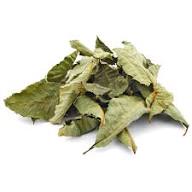

Horse Chestnut Herb
Horse Chestnut (Aesculus hippocastanum) is a traditional European medicinal herb mainly used for circulation, vein health, and inflammation. It’s not the same as edible chestnuts — horse chestnut seeds are toxic if eaten raw and must be properly processed to make them safe for medicinal use.
Horse Chestnut (Aesculus hippocastanum) is a traditional European medicinal herb mainly used for circulation, vein health, and inflammation. It’s not the same as edible chestnuts — horse chestnut seeds are toxic if eaten raw and must be properly processed to make them safe for medicinal use.
What Horse Chestnut Herb Is
- Botanical name: Aesculus hippocastanum.
- Parts used: Seeds (most common), bark, leaves, and flowers.
- Active compounds:
- Aescin (escin) → the main beneficial compound, improves vein tone and reduces swelling.
- Flavonoids and tannins → provide antioxidant effects.
- Forms: Extracts, capsules, creams, gels, tinctures, and teas (from bark/leaves).
Benefits of Horse Chestnut Herb
- Varicose Veins & Chronic Venous Insufficiency (CVI)
- Strengthens vein walls and improves blood flow.
- Reduces leg swelling, pain, and heaviness.
- Commonly used in Europe as a natural treatment for varicose veins.
- Anti-Swelling & Anti-Inflammatory
- Reduces fluid retention (edema) in the legs.
- Helps with sports injuries, bruising, and post-surgical swelling.
- Hemorrhoid Relief
- Supports circulation in the rectal veins.
- Reduces swelling, pain, and discomfort from hemorrhoids.
- Antioxidant & Vascular Support
- Protects blood vessels from oxidative damage.
- Supports overall heart and vascular health.
- Joint & Muscle Health
- Anti-inflammatory effects may help with arthritis pain.
- Used topically in gels for sore muscles.
Precautions
- Raw horse chestnut seeds are toxic (they contain a poisonous compound called aesculin). Always use standardized extracts.
- Side effects (rare with proper extracts): nausea, dizziness, upset stomach, or itching.
- Avoid if:
- You are pregnant or breastfeeding (not enough safety data).
- You are on blood thinners, aspirin, or anticoagulants (risk of bleeding).
- You have kidney or liver disease.
How to Use Horse Chestnut Herb
- Standardized Extract (most common):
- Capsules or tablets containing 16–20% aescin.
- Usual dose: 250–500 mg per day.
- Topical Creams/Gels:
- Applied to legs for varicose veins, swelling, or sore muscles.
- Teas/Infusions (from bark/leaves):
- Much less common today (not as effective as extracts).
To sum it up:
- Horse Chestnut Herb = circulation and vein health remedy.
- Best for varicose veins, swelling, hemorrhoids, and vascular support.
- Should only be used as a standardized extract or cream (never raw seeds).
Specification: Horse Chestnut Herb
|





There are no reviews yet.