
Vitamin A Acetate Retinol
Vitamin A acetate is a gentle form of Vitamin A used in anti-aging skincare. It helps skin renew, smooth, and reduce wrinkles. It works more slowly than retinol but is less irritating.
Vitamin A acetate (also called retinyl acetate) is a stable ester form of Vitamin A used mainly in skincare and cosmetic products. It is related to retinol, but it is gentler and more stable.
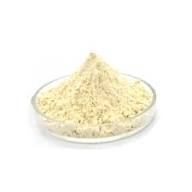
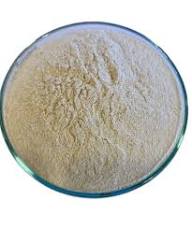
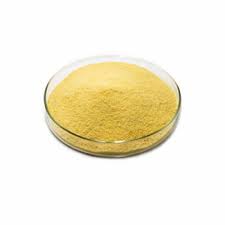
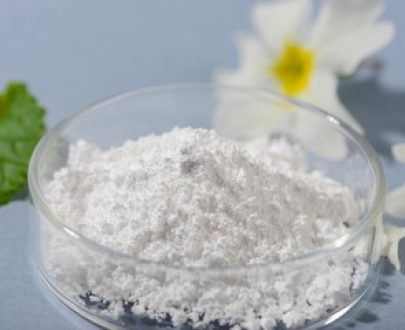
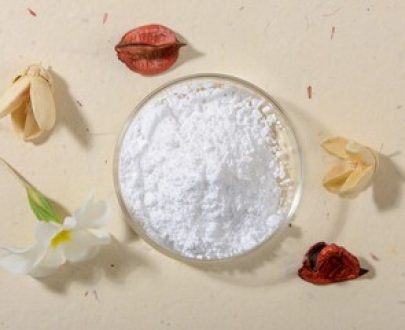
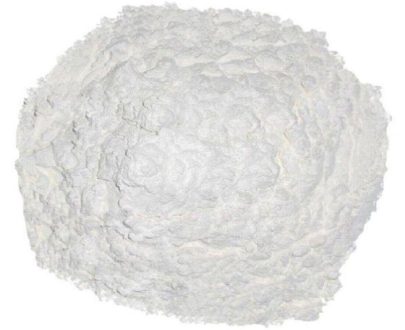
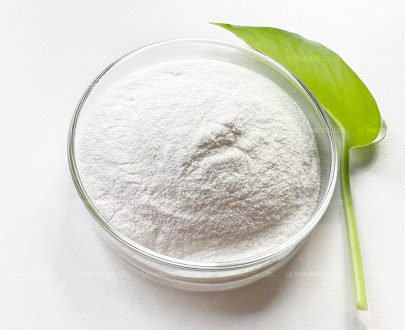
- Appearance: pale yellow oily liquid or powder
- Solubility: oil-soluble
- Common in creams, serums, lotions, and anti-aging products
What Is Vitamin A Acetate Used For?
Skincare & Cosmetics (Main Use)
- Supports skin renewal
- Helps reduce fine lines and wrinkles
- Improves skin texture and smoothness
- Supports collagen production
- Helps with dull or aging skin
- Mild help for acne-prone skin
It is often chosen for sensitive skin formulas.
How It Works
Vitamin A acetate:
- Converts slowly in the skin to active Vitamin A
- Encourages cell turnover (new skin replaces old skin)
- Helps skin look smoother, firmer, and fresher
Because it converts slowly, it is less irritating than pure retinol.
How It Is Used
In skincare formulations
- Typical concentration: 1% – 1% (depending on strength)
- Added to the oil phase
- Often combined with:
- Vitamin E
- Niacinamide
- Hyaluronic acid
For consumers
- Usually used at night
- Always use sunscreen during the day
Safety and Caution (Important)
- ❌ Not recommended during pregnancy or breastfeeding
- Can cause mild dryness or irritation at first
- Start with a low concentration
- Use only at night
- Always apply sunscreen when using Vitamin A products
- Do a patch test
Vitamin A Acetate vs Retinol vs Retinyl Palmitate
- Vitamin A acetate: gentle, stable, cosmetic-friendly
- Retinol: stronger, faster results, more irritation
- Retinyl palmitate: mildest, slowest conversion
Specification: Vitamin A Acetate Retinol
|


There are no reviews yet.