
Saffron Strands
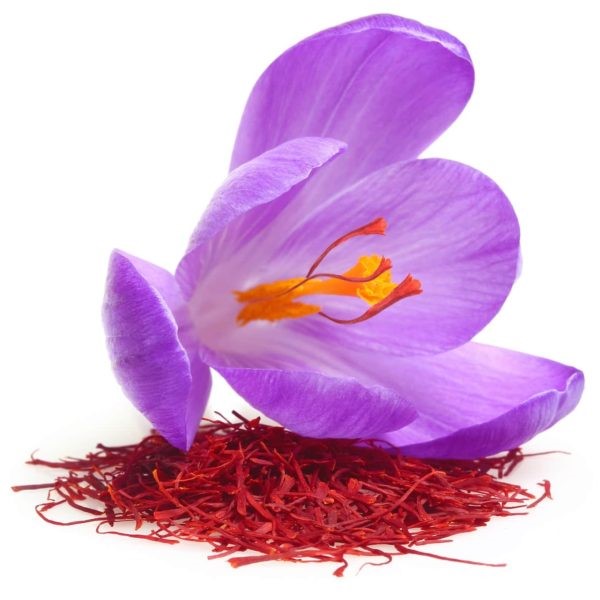
Saffron strands are the dried stigmas (the tiny thread-like structures) of the Crocus sativus flower. Each flower only produces three red stigmas, which must be harvested by hand. That’s why saffron is often called the world’s most expensive spice—it takes about 75,000 flowers to produce just one pound of saffron.
Saffron strands are the dried stigmas (the tiny thread-like structures) of the Crocus sativus flower. Each flower only produces three red stigmas, which must be harvested by hand. That’s why saffron is often called the world’s most expensive spice—it takes about 75,000 flowers to produce just one pound of saffron.
Here’s a breakdown to give you a clear picture:
What saffron strands look like:
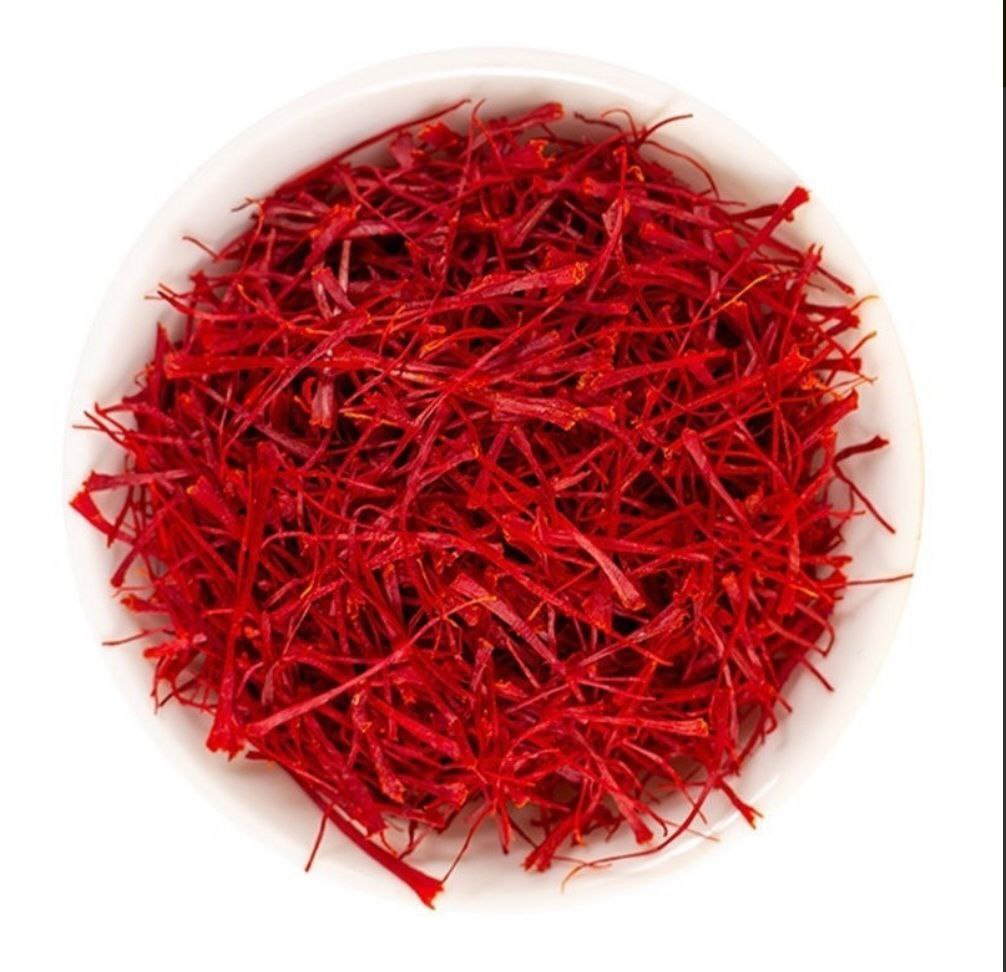
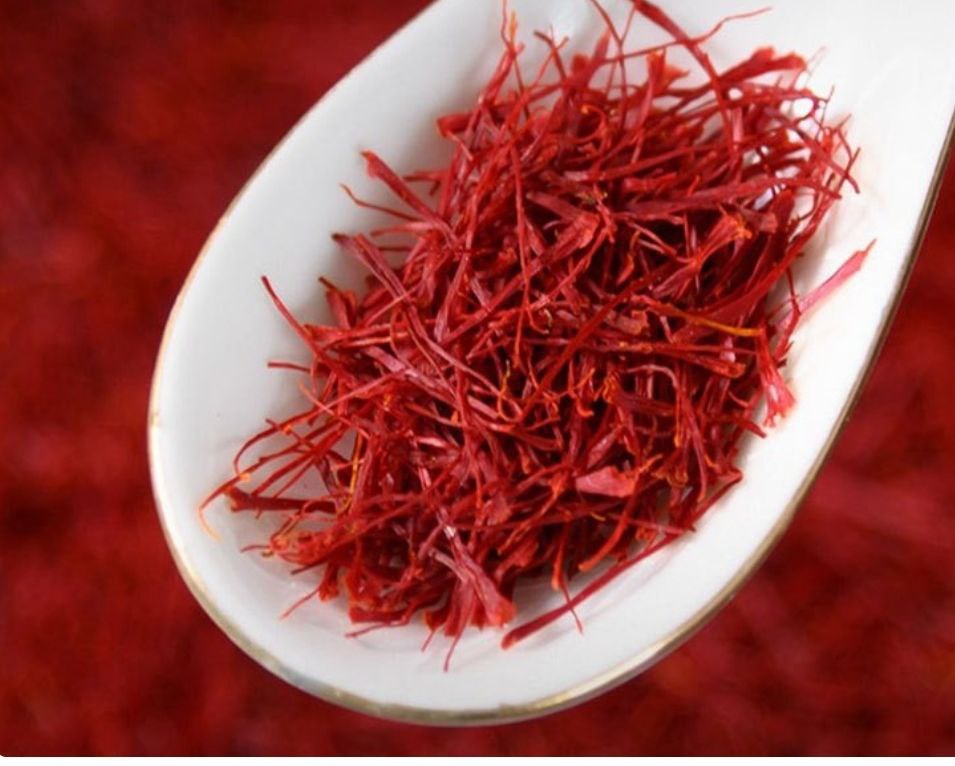
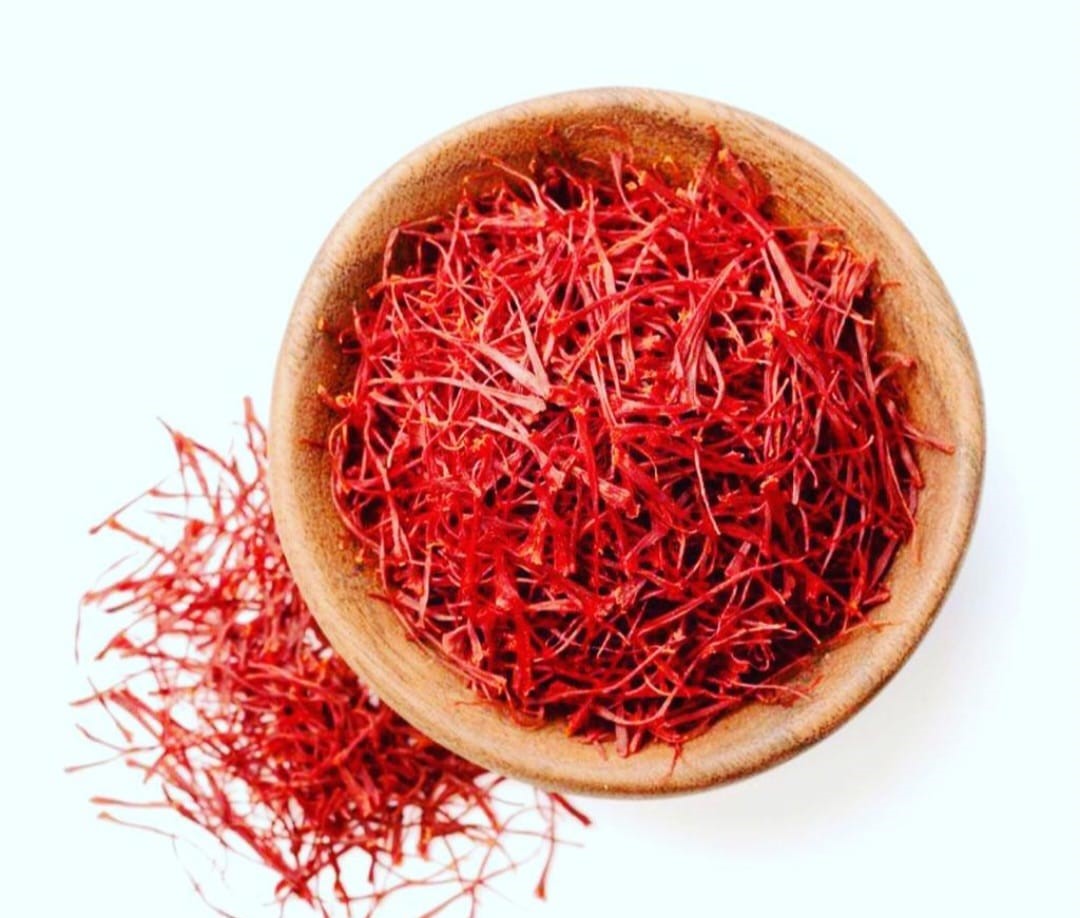
- Thin, deep-red threads, slightly trumpet-shaped at one end.
- They have a strong, sweet, and slightly earthy aroma.
- When soaked in hot water or milk, they release a golden-yellow color and fragrance.
Culinary uses:
- Widely used in Mediterranean, Middle Eastern, Indian, and Persian cooking.
- Adds unique flavor and color to dishes like paella, biryani, risotto, bouillabaisse, and sweets.
- A few strands are usually enough—too much can make the dish bitter.
Health & benefits (traditional uses):
- Known as an antioxidant (contains crocin and safranal).
- Traditionally used to improve mood, digestion, and memory.
- Some studies suggest it can help with mild depression and PMS, but high doses can be toxic, so it should be used sparingly.
Tip to spot genuine saffron strands vs fake:
- Real saffron is red with slight orange tips, not completely uniform in color.
- It should smell sweet but taste slightly bitter.
Fake saffron is sometimes dyed corn silk, horsehair, or even shredded paper!
Specification: Saffron Strands
|





There are no reviews yet.