
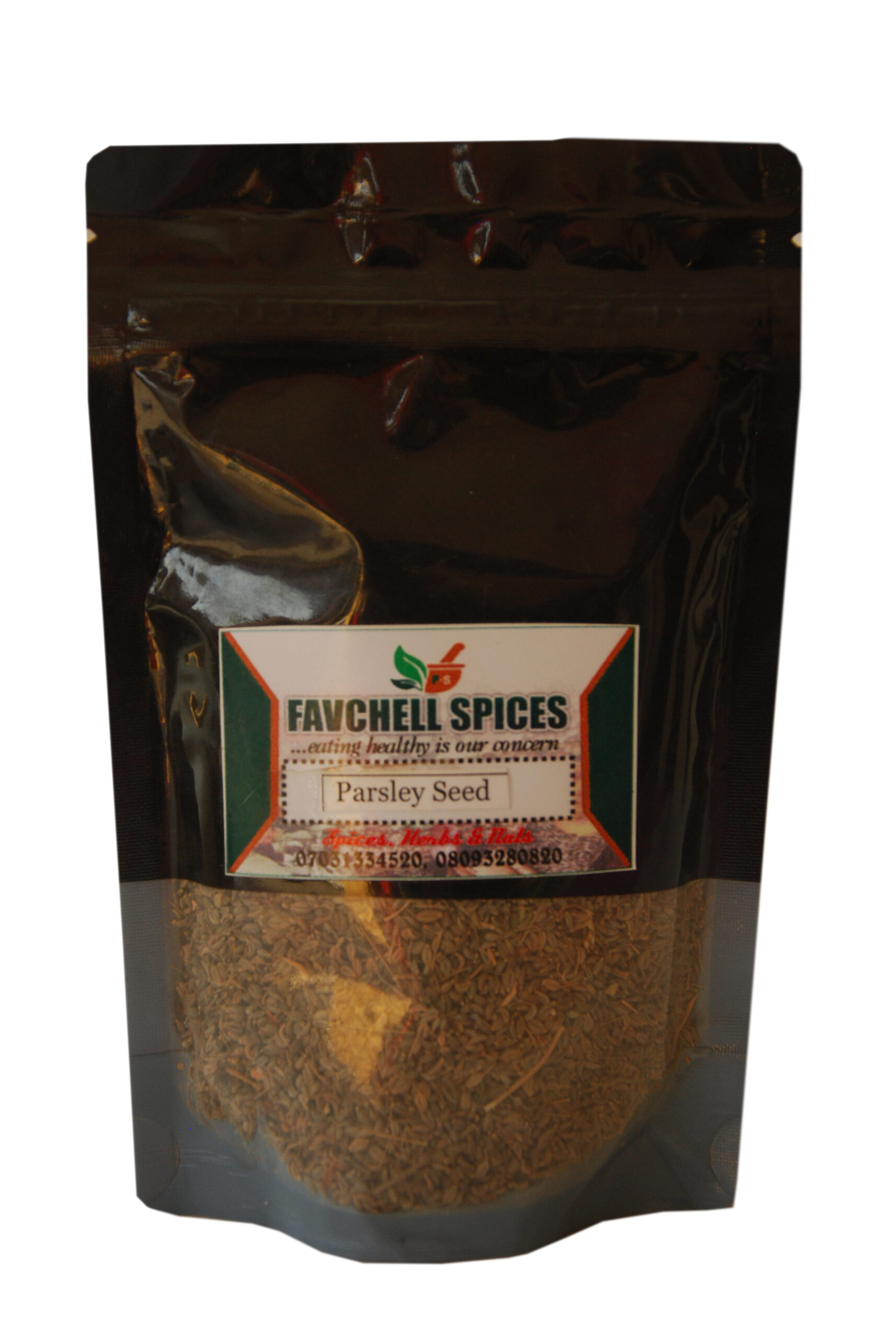
Parsley Seed
Parsley seeds are less commonly discussed than the leaves, but they have been used in traditional herbal medicine for centuries.
Price range: ₦3,000.00 through ₦9,000.00
What Parsley Seeds Are
- They come from the same plant, Petroselinum crispum.
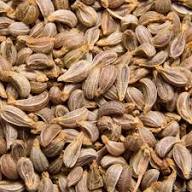
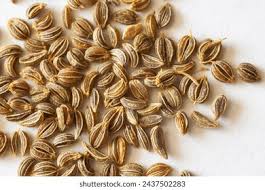
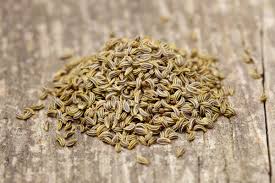
- Small, brownish seeds with a slightly bitter, earthy taste.
- Contain volatile oils (like myristicin, apiol, and limonene) that give them stronger medicinal properties compared to the leaf.
Traditional & Medicinal Uses
Parsley seeds are more concentrated than leaves, so they’re usually used in small amounts:
- Diuretic (water balance): Helps increase urine flow → used for water retention, urinary infections, and kidney/bladder issues.
- Digestive aid
- Carminative (reduces gas, bloating, cramps).
- Stimulates appetite and digestion.
- Menstrual health
- Traditionally used to stimulate delayed menstruation (emmenagogue effect).
- Apiol in seeds may cause uterine contractions (so should be avoided in pregnancy).
- Respiratory health: In some traditions, seed tea was used for coughs, asthma, and bronchitis due to expectorant properties.
- Anti-inflammatory & antioxidant: Contains apigenin and essential oils with protective effects against oxidative stress.
How People Use Parsley Seeds
- Tea (infusion or decoction): → 1 teaspoon crushed seeds boiled in 1 cup water, steeped for 10–15 min. → Taken once or twice daily for digestion or urinary health.
- Powder: → Seeds ground into powder and mixed with honey or warm water (¼–½ teaspoon at a time).
- Oil extract: → Parsley seed essential oil (very concentrated, only used externally or in aromatherapy — NOT safe internally without supervision).
Safety & Precautions
- Pregnancy: Strongly discouraged — seeds can stimulate uterine contractions.
- High doses: May cause nausea, dizziness, liver or kidney irritation.
- Essential oil: Too potent for casual internal use — only topical or inhaled in aromatherapy (diluted).
- Kidney disease: Should be used carefully, as the diuretic effect may stress the kidneys.
- Medication interactions: May interact with blood thinners and diuretics.
✅ Typical Safe Dose (herbal use)
- Seed tea: 1 teaspoon seeds per cup, 1–2 cups daily.
- Powder: ¼ teaspoon once a day.
Quick comparison with Parsley Leaves & Powder:
- Parsley leaves/powder → nutrient-rich (Vitamins K, C, A), gentle detox, safe daily use.
- Parsley seeds → stronger, medicinal, mainly for urinary health, digestion, and menstrual regulation, but with more caution.
Specification: Parsley Seed
|
User Reviews
Be the first to review “Parsley Seed”
Related Products



Parsley Seed
Price range: ₦3,000.00 through ₦9,000.00
There are no reviews yet.