
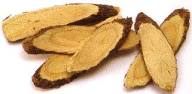
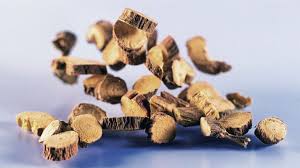
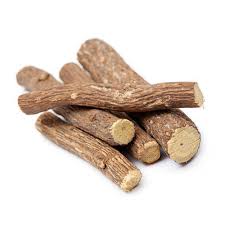
Licorice Root
Licorice root is a powerful herb for digestion, respiratory health, inflammation, and skin care. However, due to possible side effects, it’s safest in moderation or in DGL form for long-term use.
Licorice root (Glycyrrhiza glabra) is one of the most widely used herbs in both traditional medicine and modern formulations. It has a sweet taste and a long history across Chinese, Ayurvedic, and Middle Eastern medicine. Let’s explore it in detail.
What is Licorice Root
- A perennial legume plant native to Europe, Asia, and the Middle East.
- The root is used for both flavoring (candies, teas) and medicinal purposes.
- Its sweetness comes from glycyrrhizin, a compound up to 50 times sweeter than sugar.
Key Compounds
- Glycyrrhizin → anti-inflammatory, antiviral, but also responsible for side effects if overused.
- Flavonoids → antioxidant effects.
- Isoflavonoids & coumarins → contribute to hormonal and anti-inflammatory actions.
✅ Health Benefits
- Digestive Health
- Traditionally used for heartburn, indigestion, ulcers, and gastritis.
- Protects the stomach lining and may reduce acid irritation.
- Respiratory Support
- Soothes the throat, reduces coughing, and supports bronchial health.
- Often found in cough syrups and throat lozenges.
- Anti-Inflammatory & Antiviral
- Studied for effects against viruses (like herpes simplex, hepatitis, and even influenza).
- Has immune-modulating properties.
- Hormonal Balance (Traditional Use)
- Sometimes used in women’s health for PMS and menopause (mild estrogen-like activity).
- Skin Health
- Licorice extracts are used in creams for eczema, acne, and hyperpigmentation.
Common Forms & Dosages
- Tea (infusion): 1–2tsp dried root per cup, steep 10–15 min.
- Capsules/Tablets: Often standardized to glycyrrhizin or deglycyrrhizinated licorice (DGL).
- DGL (Deglycyrrhizinated Licorice): Processed to remove most glycyrrhizin → safer for long-term digestive support.
- Syrups/Lozenges: For coughs and sore throats.
- Topical creams: For skin brightening and irritation.
👉 Typical safe dose: 200–400mg DGL extract before meals for stomach support, or 1–2 cups of tea/day of whole root.
Safety & Side Effects
- Overuse of glycyrrhizin (large amounts of regular licorice root) can cause:
- High blood pressure (hypertension)
- Low potassium levels
- Water retention (swelling)
- Headaches, fatigue
- Risk is higher if taken with:
- Diuretics, corticosteroids, or heart medications.
- DGL licorice is the safer option for daily or long-term use.
- Pregnant women should avoid regular licorice root (linked to complications).
Fun Fact: In ancient Egypt, licorice root was found in King Tut’s tomb — it was brewed into a sweet drink believed to have healing powers.
Specification: Licorice Root
|
User Reviews
Be the first to review “Licorice Root”
Related Products


There are no reviews yet.