
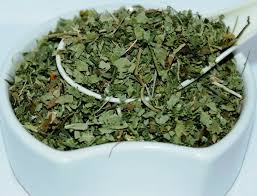
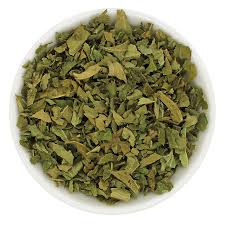
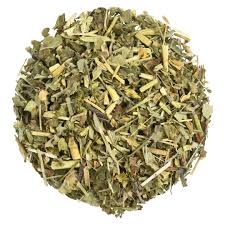
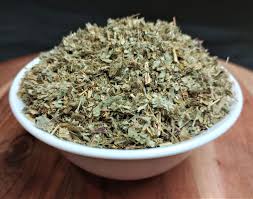
Lady’s Mantle Herb
Lady’s Mantle is a traditional women’s herb valued for its menstrual and uterine support, as well as for its astringent, healing, and digestive benefits. Safe for tea or supplement use, but should be used mindfully because of its tannin content and possible interactions.
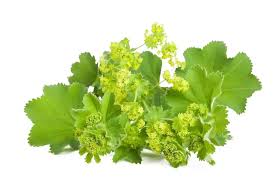
Lady’s Mantle (Alchemilla vulgaris) is one of those traditional herbs with a long history in women’s health. Let’s explore it step by step.
What is Lady’s Mantle Herb
- Lady’s Mantle is a perennial herb in the rose family (Rosaceae).
- Native to Europe, Asia, and North America.
- The name “Lady’s Mantle” comes from the cloak-like shape of its leaves, which were associated with the Virgin Mary in medieval Europe.
- Traditionally used in folk medicine and especially in gynecological care.
Key Compounds
Lady’s Mantle contains:
- Tannins – astringent compounds that help tighten and tone tissues.
- Flavonoids – antioxidants that support circulation and reduce inflammation.
- Salicylic acid derivatives – mild pain-relieving effects (similar to aspirin).
Traditional & Potential Benefits
- Women’s Health (most famous use):
- Helps with menstrual cramps, heavy periods, and PMS.
- Sometimes used for menopausal symptoms.
- Astringent properties may support uterine health.
- Wound & Skin Healing:
- Tannins tighten tissues → used for minor cuts, burns, and skin irritations.
- Sometimes included in herbal skincare.
- Digestive Health:
- Traditionally used for diarrhea and mild stomach upset (thanks to tannins).
- Anti-inflammatory Effects:
- Flavonoids may help reduce swelling and joint discomfort.
How It’s Taken
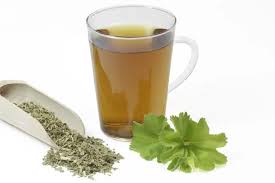
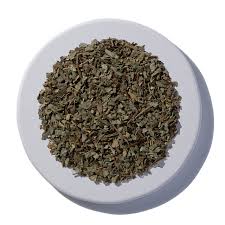
- Tea (infusion): The most traditional form (steep dried leaves in hot water).
- Capsules/tablets: Standardized doses for women’s health use.
- Tinctures/extracts: Alcohol-based liquid extracts.
- Topical compresses: For wounds or skin irritation.
👉 Typical tea dose: 1–2 teaspoons dried herb per cup, 2–3 times daily.
Safety & Precautions
- Generally considered safe for most people when used for the short term.
- Because of its tannin content, overuse may cause nausea or an upset stomach.
- May interact with:
- Iron supplements (tannins reduce iron absorption).
- Blood thinners (mild salicylates can affect clotting).
- Not enough studies on pregnancy/breastfeeding, so best avoided unless approved by a doctor.
Fun Fact: In medieval Europe, dew collected from Lady’s Mantle leaves was thought to have magical and healing properties. Alchemists believed it could help create the “philosopher’s stone” — hence the plant’s Latin name Alchemilla.
Specification: Lady’s Mantle Herb
|




There are no reviews yet.