

Himalayan Pink Salt
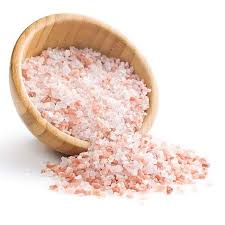
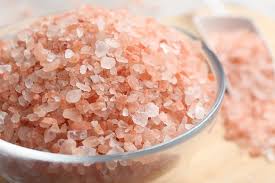
Use a grinder with coarse Himalayan salt for finishing dishes like salads, roasted veggies, or grilled meats – the crunch and subtle mineral taste are amazing!
Himalayan pink salt is a popular alternative to regular table salt, both in cooking and wellness.
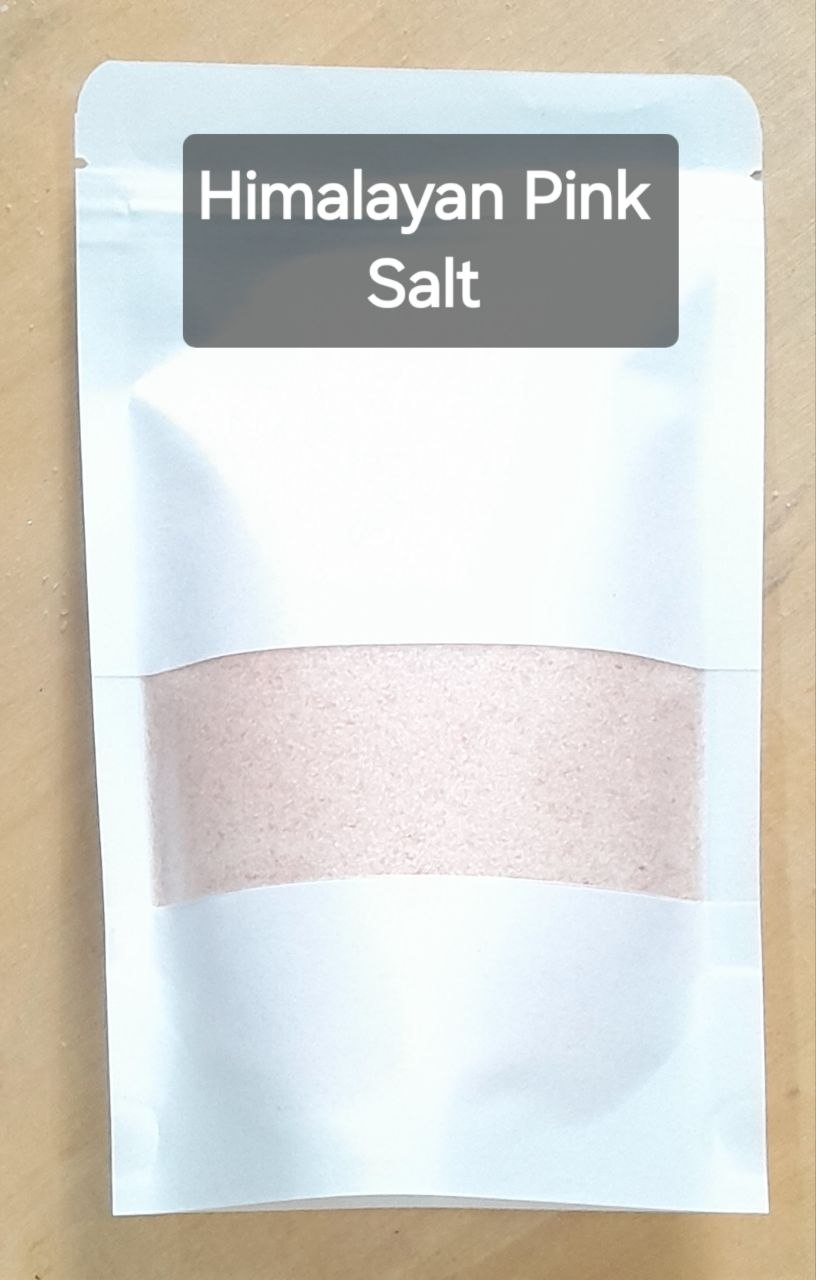
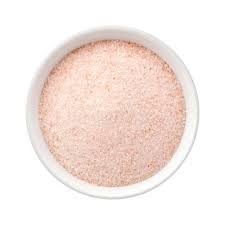
What is Himalayan Pink Salt
- A type of rock salt (halite) mined from the Khewra Salt Mine in Pakistan, near the Himalayas.
- Its pink color comes from trace minerals like iron oxide (rust).
- Considered one of the purest salts, as it formed millions of years ago under pressure, away from modern pollution.
Composition
- About 98% sodium chloride (like regular table salt).
- Contains trace minerals (2%), including:
- Iron, calcium, magnesium, potassium, and zinc.
- These give it the pinkish-orange hue and slightly different taste.
Culinary Uses
- Seasoning – Can be used just like table salt.
- Cooking slabs/blocks – Large slabs are heated and used to grill or serve food.
- Finishing salt – Sprinkled on dishes for a mild crunch and decorative appeal.
Health Benefits (and Myths)
✅ Potential Benefits:
- Electrolyte balance: trace minerals support hydration.
- Less processed than refined table salt (no additives like anti-caking agents).
- Flavorful: Some people find they use less because of its stronger taste.
❌ Common Myths:
- “Has 84 minerals” → True, but in tiny amounts, not enough to provide major nutrition.
- “Healthier than table salt” → It’s still salt, and excess intake can raise blood pressure.
Non-Culinary Uses
- Bath salts → help relax muscles, soften skin.
- Salt lamps → decorative lamps carved from pink salt with a light inside; believed to improve air quality (scientifically debated, but they give a cozy glow).
- Exfoliation → used in scrubs for skin detox and smoothness.
Precautions
- Too much pink salt = same risks as too much regular salt (high blood pressure, kidney strain).
- People with kidney disease or heart conditions should moderate their intake.
Specification: Himalayan Pink Salt
|


There are no reviews yet.