
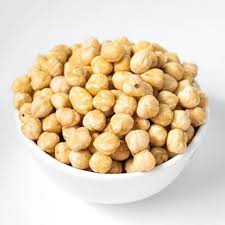
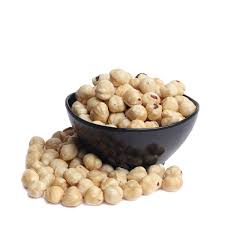


Hazelnut
Pairing hazelnuts with dark chocolate not only tastes amazing but also boosts antioxidant benefits.
Hazelnuts are not only delicious but also packed with nutrients and health benefits.
What Hazelnuts Are
- Botanical Name: Corylus avellana.
- Form: Edible nuts from the hazel tree, usually eaten raw, roasted, or ground into spreads (like Nutella).
- Taste: Sweet, creamy, and slightly earthy.
- Uses: Snacking, baking, desserts, nut butters, plant-based milk, and oils.
Health Benefits of Hazelnuts
- Heart Health
- Rich in monounsaturated fats (like those in olive oil) → support healthy cholesterol levels.
- Contain magnesium and potassium → help regulate blood pressure.
- Brain Support
- High in vitamin E, folate, and antioxidants → protects brain cells from aging.
- Linked to better memory and cognitive health.
- Skin & Hair
- Vitamin E + healthy fats → keep skin hydrated and glowing.
- Hazelnut oil is often used in skincare for moisturizing and anti-aging.
- Antioxidant Power
- Contains polyphenols and vitamin E → helps fight oxidative stress.
- Supports overall immune function.
- Bone & Muscle Support
- Good source of magnesium, which helps with muscle contraction, nerve function, and bone health.
- Weight Management (when eaten moderately)
- High in fiber and protein → promotes satiety (feeling full).
- Can support healthy metabolism.
Things to Watch Out For
- Calories: Hazelnuts are nutrient-dense but high in calories — about 628 calories per 100g.
- Allergies: Common tree nut allergen → can trigger severe reactions in sensitive people.
- Oxalates: Contain oxalates, which may contribute to kidney stones in susceptible individuals.
How to Eat Hazelnuts
- Snacking: Raw or roasted (unsalted for the healthiest option).
- Nut Butter: Hazelnut butter or hazelnut spread.
- Milk: Hazelnut milk as a dairy alternative.
- Baking: Added to cakes, cookies, and chocolates.
- Oil: Hazelnut oil for salad dressings or skincare.
Specification: Hazelnut
|




There are no reviews yet.