


Galangal Root
Unlike ginger, galangal is harder and more fibrous → best sliced thin or pounded before cooking.
Galangal root (Alpinia galanga, Alpinia officinarum, and related species) is a spice and medicinal root from the ginger family (Zingiberaceae). Often called “Thai ginger” or “Siamese ginger,” it looks similar to ginger but has a sharper, citrusy, and pine-like flavor. It’s widely used in Southeast Asian cuisine and traditional medicine systems like Ayurveda, Traditional Chinese Medicine (TCM), and Jamu (Indonesian herbal medicine).
What It Is
- Family: Ginger family (related to turmeric & cardamom).
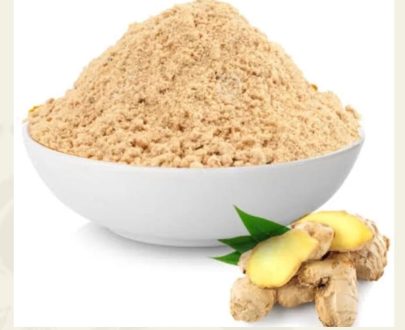
- Appearance: Reddish-brown skin, firm, pale interior (harder than ginger).
- Taste: Pungent, peppery, with citrus and pine notes (less “spicy heat” than ginger).
- Forms:
- Fresh root (grated, sliced).
- Dried root or powder.
- Extracts, tinctures, essential oils.
Nutritional & Active Compounds
- Calories (per 100g fresh root): 70 kcal
- Key compounds:
- Galangin (flavonoid, antioxidant)
- Alpinia & Kaempferol (anti-inflammatory)
- Essential oils (cineole, eugenol, methyl cinnamate → aromatic & antimicrobial).
Health Benefits of Galangal Root
- Digestive Support
- Stimulates appetite, aids digestion, and reduces bloating.
- Traditionally used for indigestion, nausea, and motion sickness.
- Anti-inflammatory & Pain Relief
- Compounds like galangin reduce inflammation.
- Used for arthritis, muscle pain, and sore throats.
- Antimicrobial Properties
- Fights bacteria, fungi, and parasites.
- Traditionally used for food poisoning and infections.
- Respiratory Health
- Helps with coughs, colds, and bronchitis.
- Warming nature helps clear congestion.
- Cognitive & Brain Health
- Antioxidants may protect brain cells and support memory.
- Studied for potential anti-Alzheimer’s properties.
- Circulation & Heart Health
- Improves blood circulation.
- May help regulate cholesterol levels.
- Traditional Aphrodisiac
- Used in Unani and Ayurvedic medicine to boost libido and vitality.
Skin & Beauty Uses
- Used in herbal scrubs and masks for acne, skin glow, and anti-aging.
- Antimicrobial action makes it useful in treating skin infections.
Side Effects & Precautions
- Generally safe when used in food amounts.
- High doses → may cause stomach upset or heartburn.
- Avoid during pregnancy in medicinal doses (may stimulate the uterus).
- Can interact with blood thinners (mild anticoagulant effect).
How to Use Galangal Root
- Cooking: Key spice in Thai soups (Tom Yum), curries, and Indonesian satays.
- Tea/infusion: Boil sliced fresh galangal in water with honey & lemon.
- Powder: Add ½–1 tsp to curries, soups, or herbal mixes.
- Tincture: 20–30 drops in water, 2–3 times daily (varies by preparation).
- Topical use: Paste or oil for joint pain and skin issues.
Specification: Galangal Root
|




There are no reviews yet.