


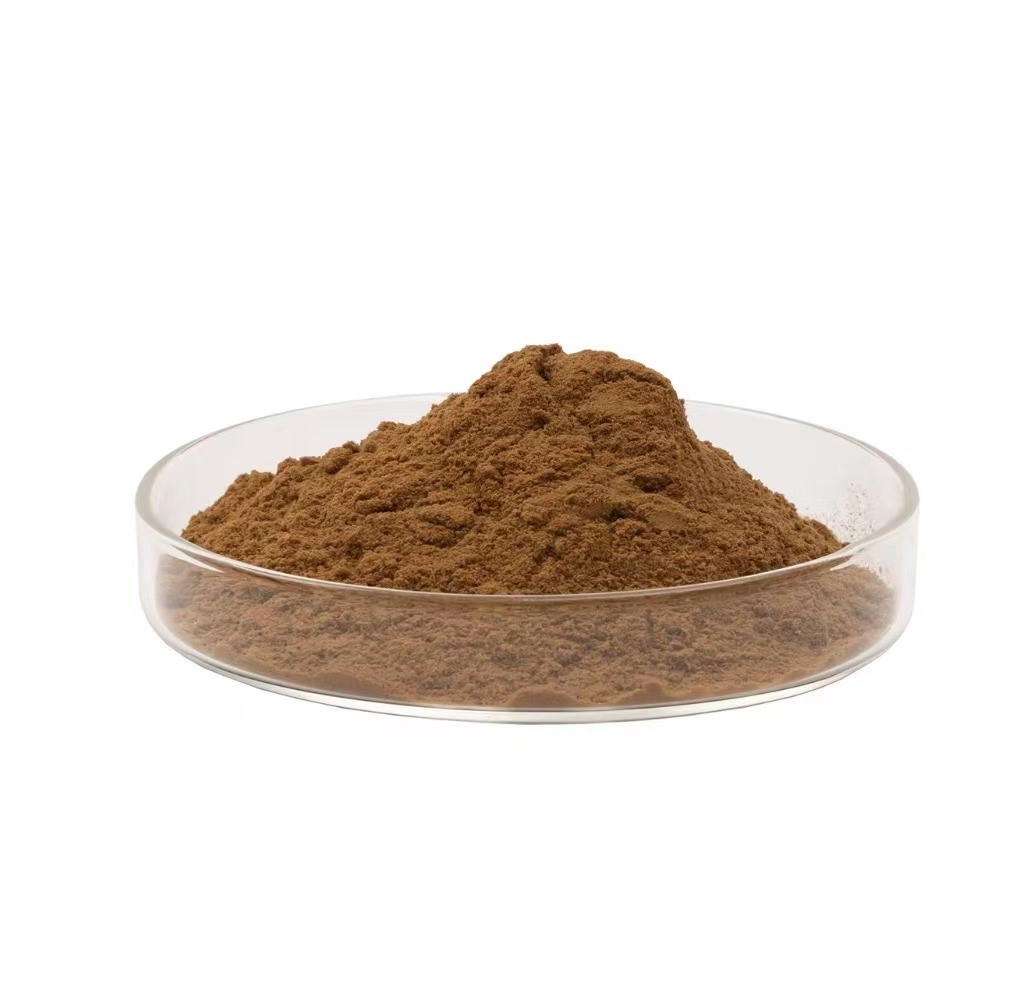
Fennel Extract
Fennel extract comes from the fennel plant (Foeniculum vulgare), an aromatic herb in the carrot family that’s been used for centuries in culinary, medicinal, and cosmetic applications. The extract is typically derived from fennel seeds (sometimes leaves and roots too) and can be found as a liquid extract, tincture, or essential oil.
- Plant parts used: Mostly the seeds, which are rich in essential oils (like anethole, fenchone, and estragole).
- Forms:
- Liquid extract/tincture (alcohol-based or glycerin-based).
- Essential oil (highly concentrated, for aromatherapy or diluted topical use).
- Powdered extract (capsules/supplements).
- Taste/smell: Sweet, licorice-like aroma and flavor.
Health Benefits of Fennel Extract
- Digestive Support
- Relieves bloating, gas, and indigestion.
- Traditionally used for colic in infants (under medical guidance).
- Hormonal & Women’s Health
- Acts as a phytoestrogen (a plant compound that mimics estrogen).
- Used for easing menstrual cramps, menopausal symptoms, and supporting lactation (though evidence is mixed).
- Anti-inflammatory & Antioxidant
- Rich in flavonoids and essential oils that reduce oxidative stress.
- Supports immune health.
- Respiratory Benefits
- Loosens mucus and eases coughs when used in herbal remedies.
- Antimicrobial Properties
- Can help fight bacteria and fungi, often used in natural oral care or skin care.
- Weight & Metabolism
- Traditionally believed to suppress appetite and aid metabolism (though studies are limited).
Cosmetic & Skin Uses
- Fennel extract in skincare → toning, firming, and antioxidant protection.
- Often included in herbal face packs, toners, and oils for anti-aging effects.
Side Effects & Precautions
- Generally safe in moderate amounts.
- Possible allergic reactions in people sensitive to carrots, celery, or other Apiaceae family plants.
- Pregnant/breastfeeding women → should consult a doctor (due to hormonal effects).
- Essential oil form: Very concentrated, must be diluted before topical use; not for internal use without medical supervision.
How to Use
- Liquid extract/tincture: 1 – 2ml diluted in water/tea, 1 – 3 times a day (depends on product strength).
- Capsules: Common in digestive health supplements.
- Tea: Add a few drops of liquid extract to warm water or use crushed seeds directly.
- Skincare: Add diluted extract to masks or toners for a refreshing effect.
Quick Comparison
- Fennel seeds (whole) → culinary use, mild medicinal effect.
- Fennel extract (liquid/powder) → concentrated, easier to dose consistently.
Fennel essential oil → very strong, mainly for aromatherapy or topical blends.
Specification: Fennel Extract
|


There are no reviews yet.