
Camu Camu Powder
Camu Camu Powder is one of the most potent natural sources of vitamin C, making it excellent for immune support, skin health, and antioxidant protection. Best used in small daily amounts, it’s safe for most people but should be consumed in moderation to avoid stomach irritation or kidney stone risk.
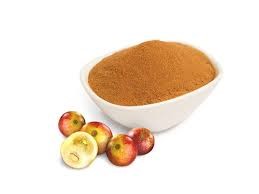
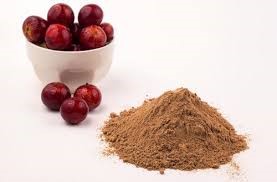
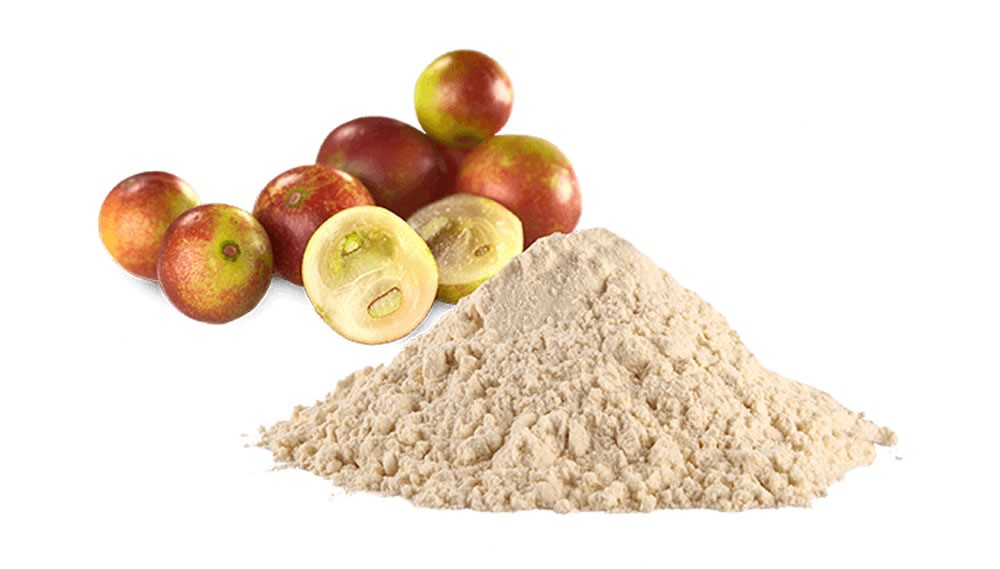
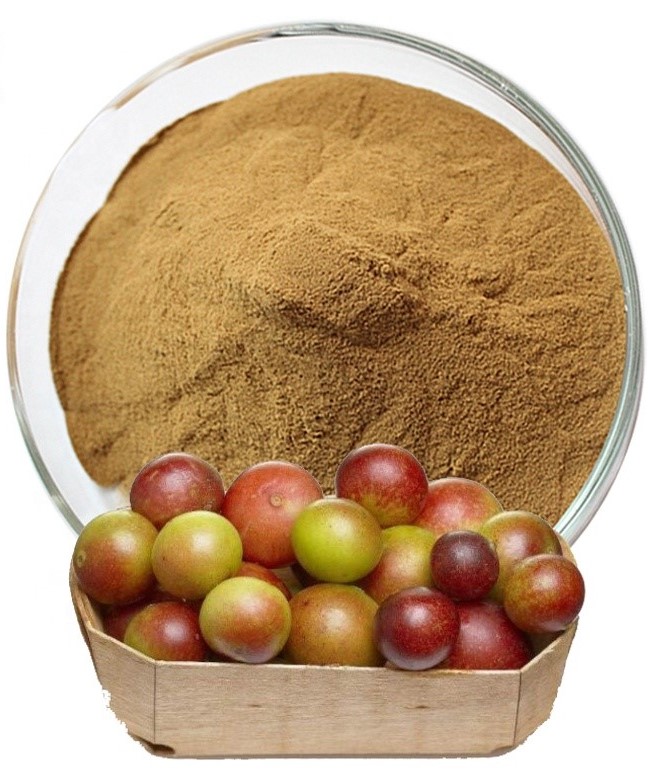
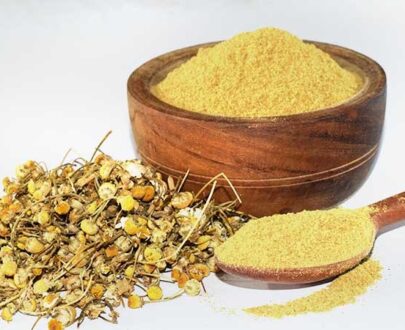
Camu Camu Powder comes from the dried berries of Myrciaria dubia, a shrub native to the Amazon rainforest. It has become famous as one of the richest natural sources of vitamin C, along with a unique mix of antioxidants and phytonutrients.
Camu Camu
- Scientific name: Myrciaria dubia
- Family: Myrtaceae (same family as guava).
- Native region: Amazon basin (Peru, Brazil, Colombia).
- Part used: The berry, which is sour and small (about the size of a grape).
- Form: Often sold as freeze-dried powder to preserve nutrients.
Key Compounds
- Vitamin C: Up to 30–60x more than oranges (one of the highest natural sources).
- Flavonoids: Quercetin, kaempferol → anti-inflammatory.
- Ellagic acid: Antioxidant and anticancer potential.
- Anthocyanins: Give the berry its reddish-purple color; protect against oxidative stress.
- Amino acids: Valine, leucine, serine (support metabolism and muscles).
Health Benefits
🔹 Immune Support
- Exceptionally high vitamin C boosts immune defense, collagen production, and wound healing.
🔹 Antioxidant & Anti-inflammatory
- Reduces oxidative stress, helping with chronic inflammation and slowing aging.
- May support heart and brain health.
🔹 Mood & Stress
- Early studies show camu camu may lower cortisol (stress hormone) and improve mood.
- Antioxidants may protect against neurodegeneration.
🔹 Metabolic Health
- May improve blood sugar control and lipid balance.
- Could support weight management by reducing inflammation in fat tissue.
🔹 Skin & Collagen
- Vitamin C supports skin elasticity, anti-aging, and wound healing.
- Antioxidants protect skin from sun and pollution damage.
How It’s Used
- Powder in smoothies/juices: Most popular use; tart, berry-like taste.
- Capsules: For those who want controlled dosing.
- Functional foods: Added to energy bars, teas, or supplements.
- Topical (less common): Antioxidant creams for skin health.
Typical dose: ½–1 teaspoon (1.5–3g) powder daily, depending on vitamin C needs.
Safety & Precautions
- Generally safe at dietary levels.
- Possible side effects: Stomach upset or diarrhea if taken in excess (due to very high vitamin C).
- Kidney stones: People prone to oxalate stones should be cautious with high intake.
- Drug interactions: May interact with chemotherapy drugs, anticoagulants, or iron supplements (because of vitamin C’s effect on absorption).
Fun Fact
Indigenous Amazonian communities traditionally didn’t eat camu camu fresh because of its extreme sourness — instead, they used it in juices, preserves, and medicinal tonics. Today, it’s often called a “superfruit” in the global wellness industry.
Specification: Camu Camu Powder
|
User Reviews
Be the first to review “Camu Camu Powder”
Related Products




There are no reviews yet.