
Baobab Fruit Powder
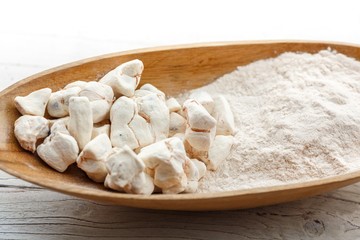
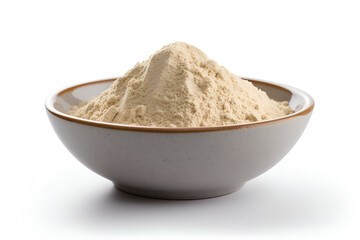
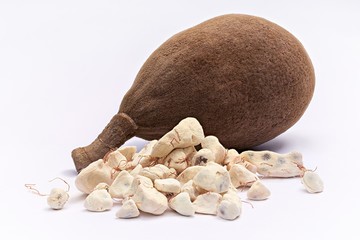
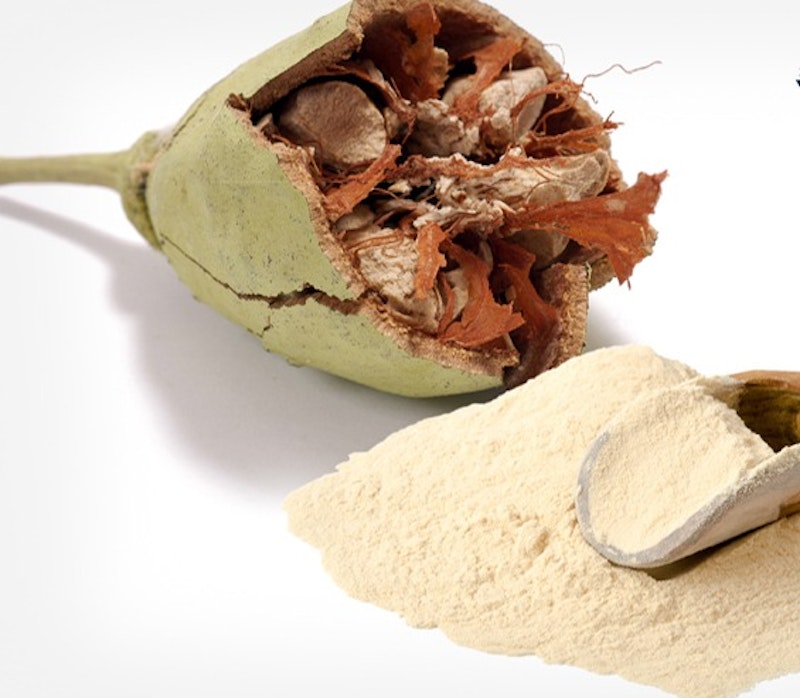
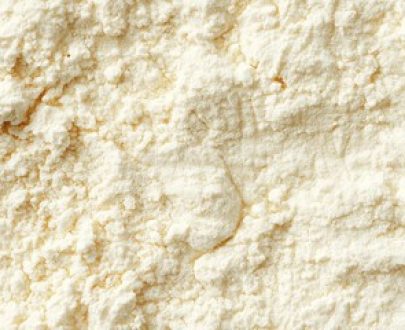
Baobab Fruit Powder is made from the pulp inside the hard baobab fruit shell. Naturally tangy and citrus-like in flavor. 100% raw, since the pulp dehydrates on the tree.
Baobab fruit powder is a fascinating one —it comes from the baobab tree (Adansonia digitata), often called the “Tree of Life” in Africa. The fruit dries naturally on the tree, so unlike many fruits, it doesn’t need extra drying before being ground into powder.
Baobab Fruit Powder is made from the pulp inside the hard baobab fruit shell. Naturally tangy and citrus-like in flavor. 100% raw, since the pulp dehydrates on the tree.
Nutritional Profile (per 100g, approx.)
- Vitamin C: Up to 10x more than oranges (200–500mg).
- Fiber: 50% or more—excellent for digestion.
- Antioxidants: High polyphenol content (anti-aging, immune-boosting).
- Minerals: Rich in calcium, potassium, magnesium, and iron.
- Low sugar compared to many other fruit powders.
Uses of Baobab Powder
- Food & Drinks
- Smoothies, juices, or teas (adds a tangy, refreshing taste).
- Sprinkled on yogurt, oatmeal, or desserts.
- An ingredient in energy bars, protein powders, or baked goods.
- Health & Nutrition
- Boosts the immune system (thanks to Vitamin C).
- Aids digestion (high soluble and insoluble fiber).
- Helps regulate blood sugar (low glycemic index + fiber).
- Used in detox and weight management programs.
- Cosmetics
- Added to skin care products for its antioxidants.
- DIY face masks for hydration and skin glow.
Cultural & Economic Importance
- Traditional African medicine: Used for fevers, diarrhea, and infections.
- Sustainable crop: Baobab trees can live over 1,000 years and grow in dry regions.
- Growing global demand: Marketed as a superfood in Europe, the US, and Asia.
✅ Quick Tips
- Daily use: Mix 1–2 teaspoons into water or smoothies.
- Taste: Think of a mix between grapefruit, pear, and vanilla.
- Storage: Keep in an airtight container; it absorbs moisture easily.
Specification: Baobab Fruit Powder
|




There are no reviews yet.