
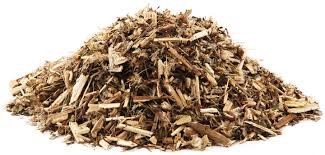
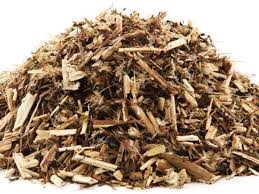
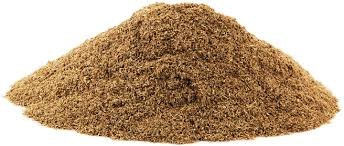
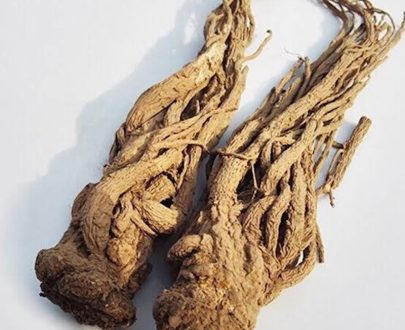
Boneset Root
Boneset Root was historically used as a bitter tonic, emetic, and fever remedy, but it is less safe and less commonly used than the leaves and flowers.
Due to its pyrrolizidine alkaloid content, modern herbal practice avoids the root, focusing instead on the aerial parts for immune and fever support.
If exploring Boneset for wellness, stick with properly prepared leaves/flowers under guidance, not the root.
Boneset Root is less commonly discussed than the leaves and flowers of Eupatorium perfoliatum (the main parts used in herbal medicine), but it does have a role in traditional practices. Let’s explore it clearly:
Boneset
- Scientific name: Eupatorium perfoliatum.
- Common names: Boneset, Feverwort, Thoroughwort, Sweating Plant.
- Native Range: Eastern and central North America.
- Parts Used Traditionally: Primarily leaves and flowering tops; roots were used less often.
Boneset Root — Traditional Uses
While leaves and flowers were the most common medicinal parts, roots were occasionally used in Native American and early European-American herbalism:
- Emetic & Purgative: In larger doses, the root was used to induce vomiting and cleansing.
- Fever Treatment: Sometimes combined with aerial parts to help break fevers through sweating.
- “Blood Purifier”: Traditional herbalists considered it cleansing for the system (a common concept in 18th–19th century herbal medicine).
- Bitter Tonic: Stimulated digestion and appetite.
Constituents (in Root)
The root contains similar compounds to the aerial parts, though in different concentrations:
- Sesquiterpene lactones → bitter, immune-stimulating.
- Polysaccharides → possible immune support.
- Pyrrolizidine alkaloids (PAs) → present in small amounts; can be toxic to the liver if misused.
Safety Notes
- Toxicity Risk: Like the aerial parts, the root contains pyrrolizidine alkaloids → can cause liver damage if used excessively or long-term.
- Not for Daily Use: Best reserved for short-term, acute situations.
- Pregnancy & Breastfeeding: Avoid completely.
- Traditional Use Declined: Modern herbalists rarely recommend the root, since the leaves and flowers are considered safer and more effective.
How It Was Used
- Root Decoction (boiled): Historically prepared as a strong, bitter tea for fevers or digestive stimulation.
- Poultices: Crushed rootsare sometimes applied externally for swelling or pain.
- Combined Formulas: Root occasionally blended with leaves/flowers in traditional remedies.
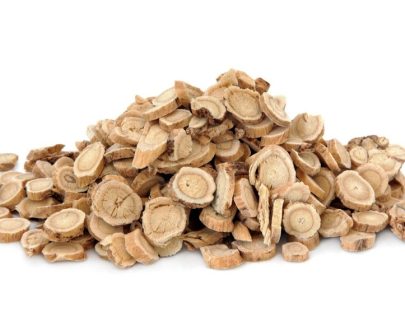
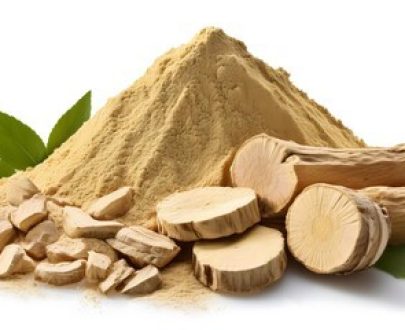
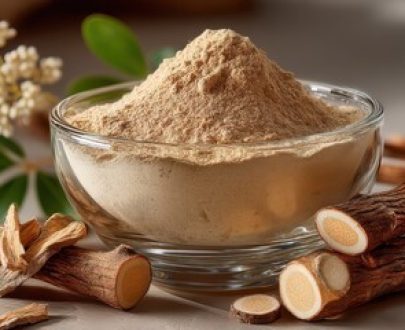
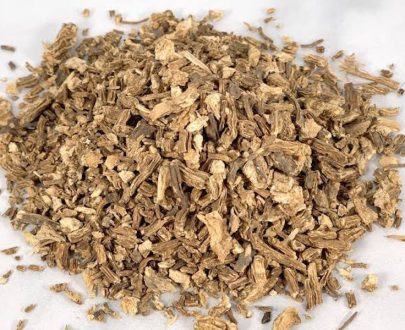
Specification: Boneset Root
|




There are no reviews yet.