
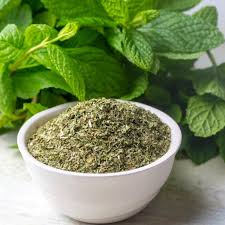


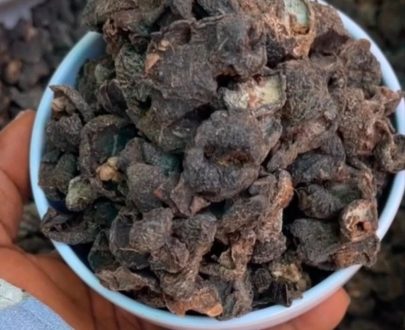
Mint Leaf
The name “mint” comes from Minthe, a nymph in Greek mythology who was transformed into the fragrant herb — symbolizing freshness and renewal.
Price range: ₦1,500.00 through ₦7,500.00
Mint Leaf
- Mint leaves come from plants in the Mentha genus, mainly peppermint (Mentha × piperita) and spearmint (Mentha spicata).
- Known for their cooling, refreshing flavor and medicinal properties, thanks to compounds like menthol and carvone.
- Widely used in food, drinks, herbal medicine, and natural remedies.
Health Benefits of Mint Leaf
1. Digestive Health
- Relieves indigestion, bloating, and gas.
- Calms the stomach and supports bile flow for fat digestion.
2. Respiratory Relief
- Menthol vapors open airways, easing congestion, asthma, and colds.
3. Stress & Relaxation
- The aroma of mint reduces tension, headaches, and anxiety.
4. Oral Health
- Natural antibacterial → prevents bad breath and gum problems.
5. Skin & Cooling Effect
- Crushed leaves soothe itching, rashes, and insect bites.
Common Uses of Mint Leaf
| Use | Example |
| Tea | Brew fresh leaves in hot water for mint tea. |
| Culinary | Fresh garnish for salads, curries, yogurt, desserts, and cocktails (like mojito). |
| Chutneys & sauces | Blended with spices for refreshing dips. |
| Herbal remedies | Infused oil or poultices for skin and headaches. |
| Aromatherapy | Leaves crushed or added to steam inhalation. |
Precautions
- Safe in normal food amounts.
- Excessive intake may trigger acid reflux in some people.
- Peppermint should be avoided in infants under 1 year, as menthol can affect breathing.
Specification: Mint Leaf
|






There are no reviews yet.