


White Oak Bark
White oak bark is a bitter, astringent herb used to support digestive health, soothe skin, and heal minor wounds. It contains tannins and antioxidants and should be used carefully.
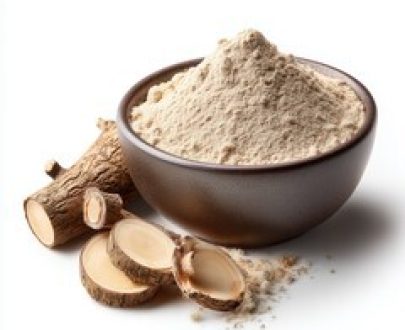
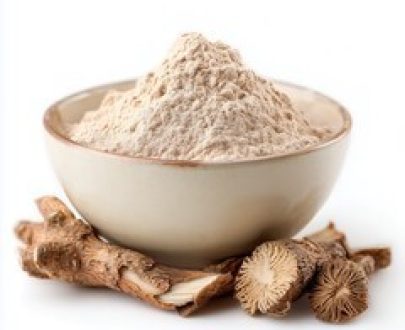
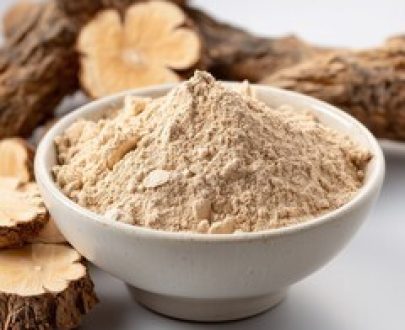
White oak bark is the outer bark of the White Oak tree (Quercus alba), a tree native to North America. It has been used for centuries in traditional medicine.
- Appearance: brownish-gray bark
- Taste: bitter and astringent
- Use: primarily medicinal, not a food ingredient
What Is White Oak Bark Used For?
Traditional uses
- Supports digestive health (helps with diarrhea and inflammation in the gut)
- Astringent – tightens tissues and reduces minor bleeding
- Helps skin conditions like rashes, cuts, and inflammation
- Can relieve throat irritation
- Sometimes used for mouth and gum health
It is rich in tannins, which give it antimicrobial and astringent properties.
How It Works
White oak bark contains:
- Tannins → tighten tissues, reduce inflammation, fight microbes
- Flavonoids and polyphenols → antioxidants, support healing
These compounds make it useful for:
- Soothing digestive issues
- Supporting skin and gum healing
- Reducing excessive secretions or bleeding
How White Oak Bark Is Used
- Herbal tea/decoction: simmer the bark in water
- Tincture: alcohol or glycerin extract
- Topical application: poultices, washes, or infused oils
- Can be combined with other herbs like chamomile or yarrow
Strong tea is very astringent and should be used in moderation.
Safety and Caution
- Generally safe in moderation
- Avoid long-term internal use due to high tannin content
- It can cause stomach irritation in sensitive individuals
- Avoid during pregnancy and breastfeeding
- Do a patch test before topical use
Bark vs Extract vs Powder
| Form | Use |
| Whole bark | Decoctions, herbal teas, poultices |
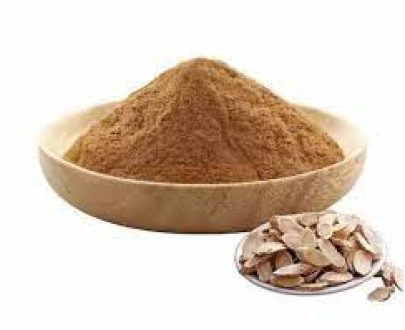
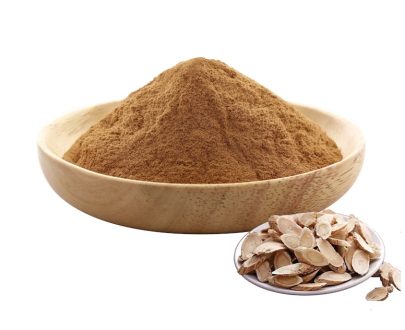
| Powder | Capsules, blends, teas |
| Extract / Tincture | Concentrated liquid use |
Specification: White Oak Bark
|





There are no reviews yet.