
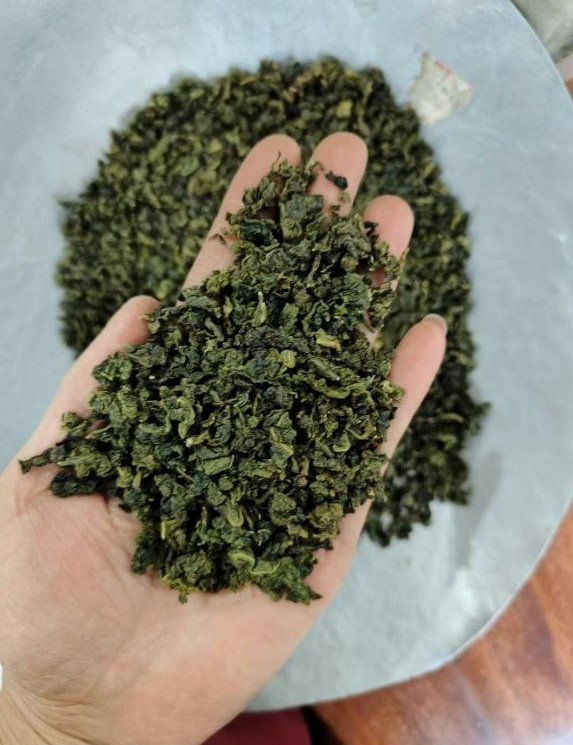
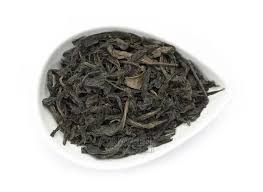
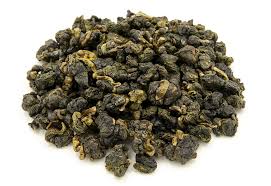
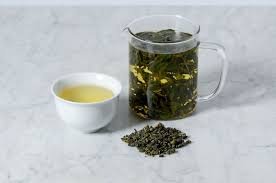
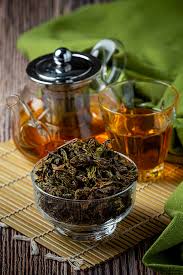
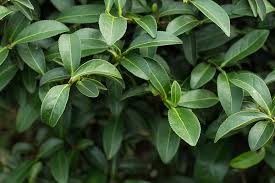
Oolong Tea Leaf
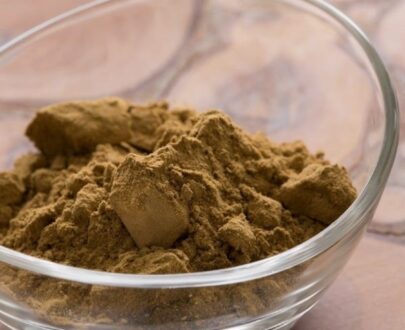
Oolong tea leaves provide a smooth, balanced tea that supports energy, focus, heart health, metabolism, and anti-aging. They’re a perfect middle ground if you find green tea too light and black tea too strong.
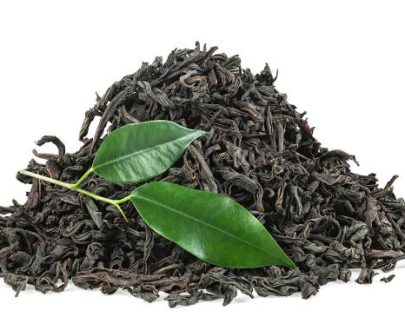
Oolong Tea Leaves are a traditional Chinese tea variety that falls between green tea and black tea in terms of oxidation and flavor. Known for its complex aroma, smooth taste, and health benefits, oolong tea has been enjoyed for centuries, especially in China and Taiwan.
Oolong Tea
- Made from the Camellia sinensis plant (the same as green and black tea).
- The difference lies in processing: oolong is partially oxidized (10–80%), giving it a flavor between green (fresh, grassy) and black (strong, malty) tea.
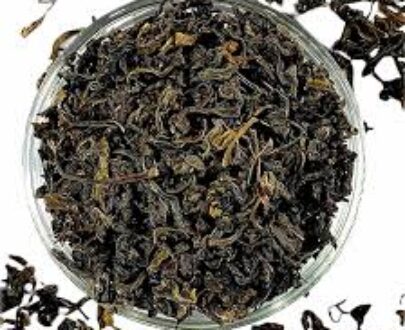
- Leaves are often rolled, twisted, or curled, releasing aroma when brewed.
Key Compounds in Oolong Tea
- Caffeine → gentle stimulant, boosts alertness.
- Polyphenols (catechins, theaflavins, thearubigins) → antioxidants that protect cells.
- L-theanine → an amino acid that promotes relaxation and focus.
- Minerals → manganese, magnesium, potassium, calcium, and fluoride.
✅ Benefits of Oolong Tea
Energy & Focus
- Provides a balanced caffeine boost — more than green tea, less than black tea.
- Combined with L-theanine, it sharpens focus without jitters.
Heart Health
- Helps lower bad cholesterol (LDL).
- May improve circulation and reduce blood pressure.
Metabolism & Weight Management
- Traditionally used to boost metabolism and fat burning.
- Supports digestion after heavy meals.
Antioxidant & Anti-inflammatory
- Protects against oxidative stress (linked to aging and chronic diseases).
- May support skin health and slow down wrinkles.
Brain Health
- Polyphenols + caffeine may enhance memory, learning, and concentration.
- Long-term drinkers may lower risk of neurodegenerative diseases.
Dental & Bone Health
- Fluoride content supports strong teeth.
- Some studies suggest regular drinkers have higher bone density.
How to Use Oolong Tea Leaves
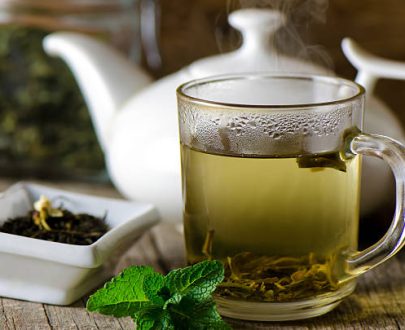
- Loose Leaf Tea: Steep 1–2tsp in hot water (85–95°C / 185–203°F) for 2–5 minutes.
- Multiple Infusions: High-quality oolong leaves can be re-steeped 3–5 times, changing flavor with each brew.
- Culinary Use: Sometimes used in desserts, marinades, and even skincare extracts.
Safety & Precautions
- Contains caffeine → may cause insomnia or restlessness if overconsumed.
- People sensitive to caffeine or with heart conditions should drink moderately.
- May interfere with iron absorption if consumed in excess.
- Pregnant/breastfeeding women should limit caffeine to safe caffeine levels.
Fun Fact: Oolong is often called the “Champagne of teas” because of its delicate flavor profile and long tradition in Chinese tea culture, especially in Fujian (China) and Taiwan, where some of the world’s best oolongs are grown.
Specification: Oolong Tea Leaf
|





There are no reviews yet.