


Hibiscus Leaves Tea
Try iced hibiscus tea with lime juice and mint – it’s one of the most refreshing summer drinks and a healthier alternative to sodas.
Hibiscus leaves tea is a refreshing and health-boosting herbal tea that’s popular worldwide for both its vibrant taste and medicinal properties. Let’s break it down:
Hibiscus Leaf Tea
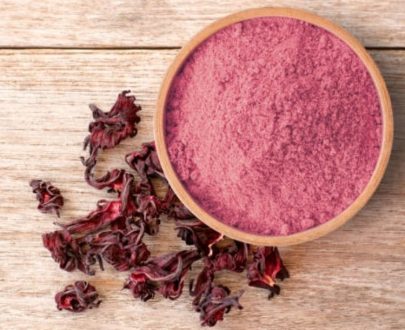
- Made from the dried calyces (the sepals, not the petals) of the Hibiscus sabdariffa
- Known by different names globally:
- “Karkade” in Egypt and Sudan
- “Agua de Jamaica” in Latin America
- “Roselle tea” in Asia
- Brews into a deep red or magenta tea with a tart, cranberry-like flavor.
Flavor Profile
- Tart, tangy, slightly fruity (similar to cranberry or pomegranate).
- Often enjoyed hot or iced, sweetened with honey, sugar, or spiced with ginger/cinnamon.
Health Benefits
- Rich in Antioxidants
- Contains anthocyanins (the pigments that give it the red color).
- Helps fight free radicals, protecting cells from damage.
- Supports Heart Health
- May help lower blood pressure (studies show regular hibiscus tea can reduce systolic and diastolic BP).
- Helps lower bad cholesterol (LDL) and triglycerides.
- Boosts Liver Health
- Supports detoxification and liver enzyme function.
- Weight Management
- Can aid metabolism and reduce fat accumulation.
- Immune Support
- Rich in Vitamin C, helps fight colds and infections.
How to Prepare Hibiscus Tea
Basic Recipe (Hot or Iced):
- 2tbsp dried hibiscus leaves (or 2–3 tea bags)
- 2 cups boiling water
- Steep 5–10 minutes (longer = stronger & tangier)
- Sweeten with honey, sugar, or stevia if desired
- For iced tea → brew double strength, then pour over ice
Optional flavor additions: Ginger, cinnamon, mint, orange peel
Side Effects & Precautions
- May lower blood pressure too much if you already take BP medication.
- Not recommended for pregnant or breastfeeding women (it can stimulate uterine contractions).
- Excessive consumption may affect blood sugar levels
Specification: Hibiscus Leaves Tea
|




There are no reviews yet.