


Green Tea Leaf
Green tea leaves come from the Camellia sinensis plant, the same plant that produces black, white, and oolong teas. The difference lies in processing — green tea leaves are minimally oxidized after harvesting, which preserves their natural antioxidants (especially catechins like EGCG) and gives them their fresh, grassy, slightly astringent flavor.
Price range: ₦3,500.00 through ₦20,500.00
Green tea leaves can be consumed as a hot or cold beverage, ground into matcha, or extracted into supplements and skincare products.
What They Are
- Botanical name: Camellia sinensis
- Forms:
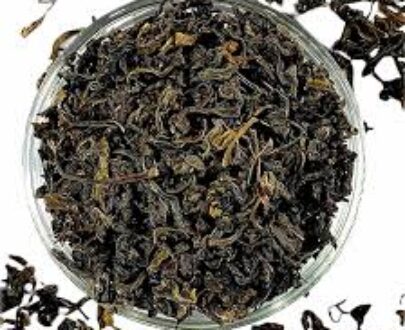
- Whole dried leaves (loose leaf tea).
- Tea bags.
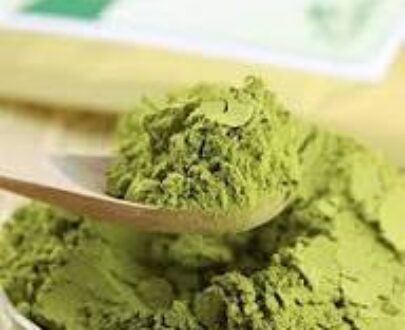
- Ground (matcha).
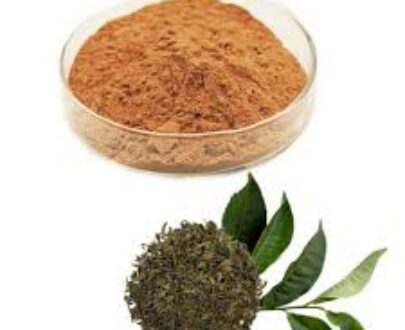
- Extract (supplements).
- Taste: Fresh, grassy, slightly bitter/astringent with a delicate sweetness.
- Processing: Steamed or pan-heated to prevent oxidation, then rolled and dried.
Key Active Compounds in Green Tea Leaves
- Catechins (EGCG, ECG, EGC, EC) → powerful antioxidants, fat-burning, anti-inflammatory.
- Caffeine → gentle stimulant, enhances focus & metabolism.
- L-theanine → calming amino acid that reduces stress & balances caffeine.
- Polyphenols & flavonoids → heart and brain protective.
Health Benefits of Green Tea Leaves
- Metabolism & Weight Support
- EGCG + caffeine increases fat burning and calorie use.
- Heart & Circulation Health
- May lower LDL cholesterol and improve blood vessel elasticity.
- Brain Function & Calm Energy
- Caffeine + L-theanine → alertness without jitters.
- Protects neurons and supports memory.
- Blood Sugar Balance
- Improves insulin sensitivity.
- Helps regulate blood glucose levels.
- Immune & Anti-aging Effects
- Antioxidants protect against free radicals.
- Supports skin health (internally & topically).
- Liver & Detox Support
- Helps reduce fat buildup in the liver.
- Mild diuretic effect supports kidney detox.
Traditional & Modern Uses
- Traditional Chinese Medicine: Used for alertness, digestion, and detoxification.
- Japanese culture: Matcha tea ceremonies for mindfulness and vitality.
- Modern wellness: Consumed as tea, added to smoothies, skincare creams, and supplements.
Side Effects & Precautions
- Caffeine sensitivity: May cause insomnia, anxiety, or palpitations if overconsumed.
- Stomach irritation: Drinking on an empty stomach can sometimes cause nausea.
- Excessive intake: Very high doses of catechins (from supplements, not tea) may stress the liver.
- Drug interactions: May interfere with anticoagulants (warfarin), stimulant drugs, or blood sugar medications.
How to Use Green Tea Leaves
- Brewed tea: Steep 1tsp (2 g) leaves in hot water (75–85 °C / 170–185 °F) for 2–3 minutes. Avoid boiling water, which makes it bitter.
- Matcha: Whisk powdered green tea into warm water or milk.
- Cold brew: Steep leaves in cold water 4–6 hours for a smoother, less bitter tea.
- Culinary uses: Matcha added to smoothies, desserts, or savory dishes.
- Topical use: Green tea infusions/extracts in skin care for anti-aging & soothing effects.
Tip: For maximum antioxidants, avoid steeping too long (which increases bitterness but doesn’t release more benefits).
Green Tea vs. Black Tea vs. White Tea
| Tea Type | Processing | Antioxidants | Caffeine | Flavor |
| Green tea | Lightly steamed/pan-heated (minimal oxidation) | Very high (EGCG-rich) | Moderate | Fresh, grassy |
| Black tea | Fully oxidized | Lower catechins, higher theaflavins | Higher | Bold, malty |
| White tea | Minimally processed (young buds) | High but milder | Low | Light, delicate |
Specification: Green Tea Leaf
|
User Reviews
Be the first to review “Green Tea Leaf”
Related Products



Green Tea Leaf
Price range: ₦3,500.00 through ₦20,500.00
There are no reviews yet.