


Beans Flour
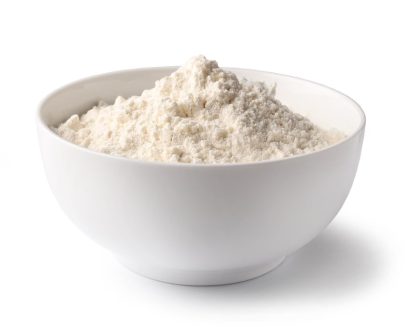
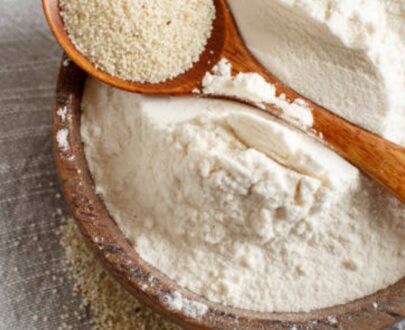
Bean flour is a versatile, high-protein flour made from dried beans that have been milled into a fine powder. It’s common in African, Asian, and Latin American cuisines, and is gaining popularity globally as a gluten-free, plant-based flour.
Price range: ₦2,000.00 through ₦5,500.00
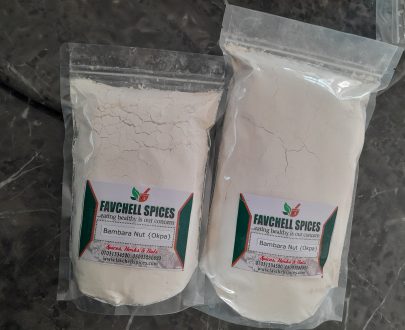
Beans Flour made by drying and grinding beans (often black-eyed peas, cowpeas, or other pulses). Can be used on its own or blended with other flours. Has a nutty, earthy flavor with a dense texture.
Nutritional Profile (per 100g, approx.)
- Calories: 330–350 kcal
- Protein: 20–25g → excellent plant-based source.
- Carbohydrates: 55–60g (complex carbs, slow-release energy).
- Fiber: 10–15g → good for digestion.
- Fat: 1–2g (naturally low).
- Vitamins & Minerals: Iron, magnesium, folate, potassium, B vitamins.
- Gluten-free: Safe for people with celiac disease.
Common Uses
- Traditional Dishes
- Nigeria & West Africa → Used in Akara (bean fritters) and Moin-Moin (steamed bean pudding).
- India → Used in besan (though chickpea flour is more common).
- Latin America → Added to tortillas and flatbreads.
- Baking & Cooking
- Gluten-free breads, muffins, and pancakes.
- Thickener for soups and sauces.
- Coating for fried foods (protein-rich alternative to wheat flour).
- Nutritional Products
- Used in protein shakes, energy bars, and baby foods.
✅ Quick Tips for Using Bean Flour
- Because it’s dense, mix with lighter flours (rice, sorghum, maize, or wheat) for baking.
- Soaking beans before drying and grinding reduces antinutrients (like phytates) and improves digestibility.
- Store in an airtight container; because of its protein content, it can spoil faster than cereal flours.
Things to Note
- Raw bean flour should be cooked properly — beans naturally contain compounds like lectins that can be toxic if undercooked.
- For best safety, use bean flour in recipes requiring heat (steaming, baking, frying, or boiling).
Specification: Beans Flour
|





There are no reviews yet.