


Banana Powder
You can use banana powder as a sugar substitute in smoothies or baked goods. For baking, replace about 25–30% of sugar with banana powder to add sweetness and fiber.
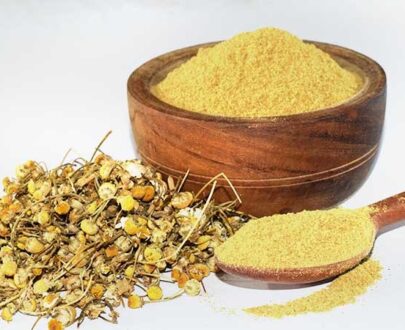
Banana powder is a fine flour-like substance made from processed bananas. It’s widely used in food, health products, and even cosmetics. Let’s break it down:
Banana powder is usually made by drying bananas (using sun-drying, spray-drying, or freeze-drying). Grinding them into a fine powder. It has a sweet, fruity flavor and retains much of the nutritional value of fresh bananas, but in a shelf-stable, concentrated form.
Nutritional Value (per 100g, approx.)
- Calories: 340 kcal
- Carbohydrates: 85–90 g (mostly natural sugars & starch)
- Protein: 3–4g
- Fiber: 7–10g
- Potassium: High (bananas are famous for it)
- Vitamins: Vitamin C, B6, and traces of A and E
Heat during processing can reduce vitamin C content, but minerals like potassium and magnesium remain intact.
Uses of Banana Powder
- Food Industry
- Baby foods (easily digestible & nutritious).
- Natural sweetener in smoothies, cakes, and porridges.
- An ingredient in energy bars and protein shakes.
- Thickener for soups and sauces
- Health & Nutrition
- Used in nutritional supplements and meal replacements.
- Good for athletes as a quick source of natural carbs & electrolytes.
- Sometimes used in weight gain formulas due to its calorie density.
- Cosmetics
- “Banana setting powder” in makeup is different—it’s a cosmetic powder inspired by banana powder’s name (not actual fruit powder).
- Real banana powder is sometimes added to face masks and scrubs for its antioxidant properties.
- Animal Feed
- Used in livestock feed as a cheap, nutritious filler.
Why It’s Important
- Preservation: Fresh bananas spoil quickly, but banana powder extends shelf life to over a year.
- Economics: Helps reduce post-harvest losses in banana-producing regions.
- Global demand: Rising because it’s gluten-free, vegan, and natural.
Specification: Banana Powder
|




There are no reviews yet.