
Shatavari Root
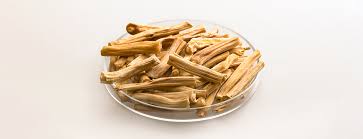
Shatavari Root is a raw, traditional form of the herb, best for making teas and decoctions. It’s especially valued for women’s reproductive health, stress relief, and digestion support. For faster, concentrated benefits, powders or extracts are also used.
Shatavari Root is one of the most important herbs in Ayurveda, often called the “Queen of Herbs” for women’s health. Let’s break it down:
- Botanical name: Asparagus racemosus.
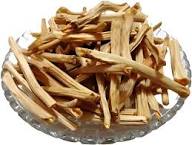
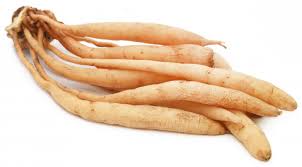
- The root is harvested, dried, and then cut into small pieces, making it easy to prepare herbal teas, decoctions, or powders.
- Shatavari in Sanskrit means “she who has a hundred husbands” — symbolizing its role in supporting female vitality, fertility, and longevity.
- Classified in Ayurveda as a Rasayana (rejuvenating tonic).
Health Benefits
✅ Women’s Health & Hormonal Balance
- Supports menstrual health, easing cramps, PMS, and irregular cycles.
- Used to balance hormones during menopause (hot flashes, mood swings, dryness).
- Traditional fertility tonic, enhancing reproductive health.
- Promotes healthy lactation in nursing mothers.
✅ Reproductive Health in Men
- Improves vitality, sperm count, and reproductive strength.
✅ Adaptogen & Stress Support
- Reduces stress, anxiety, and fatigue.
- Supports adrenal and immune system function.
✅ Digestive Health
- Soothes acidity, ulcers, and inflammation in the digestive tract.
- Acts as a gentle tonic for weak digestion.
✅ Anti-inflammatory & Immunity
- Strengthens overall immunity.
- Traditionally used for respiratory issues like cough and bronchitis.
Key Active Compounds
- Saponins (Shatavarins I–IV): Phytoestrogen-like compounds that support female hormones.
- Isoflavones & Alkaloids: Natural antioxidants and adaptogens.
- Mucilage: Soothes and coats the digestive tract.
How to Use (Cut Root Form)
- Decoction (Kashayam):
- Boil 1–2 tsp of root pieces in 1 cup of water for 10–15 minutes, strain, and drink warm.
- Can be sweetened with honey or mixed with milk.
- Infusion/Tea: Steep cut root in hot water for a gentler preparation.
- Powder alternative: Often ground and taken with milk or ghee for better absorption.
Precautions
- Generally very safe and well-tolerated.
- Avoid in cases of excess estrogen conditions (consult a practitioner).
- May cause mild bloating in sensitive individuals.
- Not recommended during very high kapha imbalance (excess mucus).
Traditional & Cultural Note
- Mentioned in Charaka Samhita and Bhavaprakasha as one of the best rejuvenating herbs for women.
- In Ayurveda, it balances Vata and Pitta doshas, but may increase Kapha in excess.
- Still widely used in Ayurvedic formulations like Shatavari Kalpa, a tonic for new mothers.
Specification: Shatavari Root
|
User Reviews
Be the first to review “Shatavari Root”
Related Products


Black Cumin Seed Powder (Black Seed) (Nigella sativa)
Price range: ₦2,500.00 through ₦12,000.00



There are no reviews yet.