
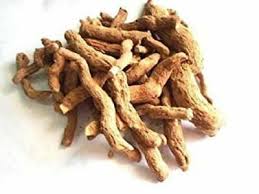


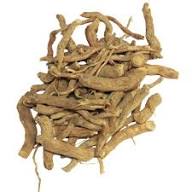
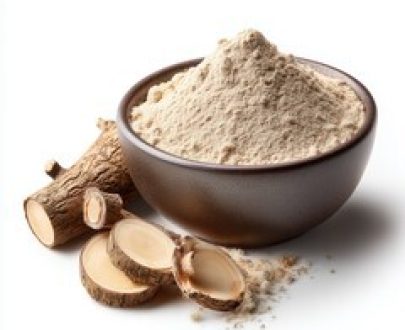
Sarpagandha Root
In Sanskrit, it is called “Sarpagandha,” meaning “smelling like a snake”, referring to its root’s odor. It has a long-standing reputation as both a sacred healing herb and a powerful tranquilizer in Ayurveda.
Sarpagandha Root is a very important medicinal plant in Ayurveda and traditional medicine. Let’s break it down clearly for you:
- Botanical name: Rauwolfia serpentina
- Common names: Indian snakeroot, serpentine root.
- It’s a perennial shrub native to India, Southeast Asia, and parts of Africa.
- The roots are the most valuable part, used in Ayurvedic, Unani, and folk medicine for centuries.
Traditional Uses in Ayurveda
Sarpagandha root is considered a “calming herb” and was often prescribed for:
✅ Hypertension (high blood pressure): One of the first natural medicines used for blood pressure control.
✅ Insomnia: Helps induce sleep in those with restlessness or nervousness.
✅ Anxiety & mental disorders: Traditionally given for hysteria, psychosis, and schizophrenia.
✅ Snake bites & insect stings: Used in folk medicine as an antidote.
Active Compounds
- Contains alkaloids like reserpine, which have strong effects on the nervous system.
- Reserpine was actually one of the first plant-derived drugs used in modern medicine for treating high blood pressure and certain psychiatric conditions.
Modern Medical Importance
- Still used in Ayurvedic formulations for calming the nervous system.
- In modern allopathic medicine, reserpine (from Sarpagandha) is rarely used now due to side effects, but it paved the way for many psychiatric and cardiac drugs.
Safety & Side Effects
Because it’s so potent, Sarpagandha should be used only under guidance:
- Can cause low blood pressure, drowsiness, nasal congestion, depression, and stomach issues in some people.
- Should not be taken during pregnancy or breastfeeding.
- Not recommended for people with ulcers, asthma, or a history of severe depression.
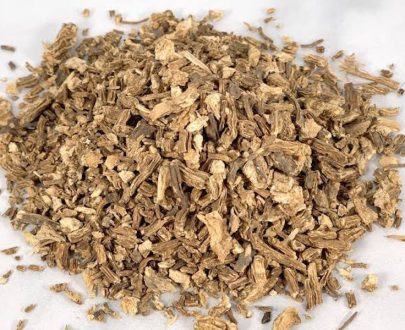
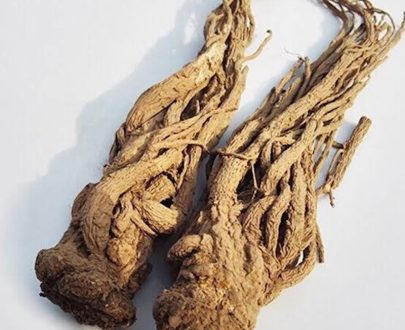
Specification: Sarpagandha Root
|






There are no reviews yet.