
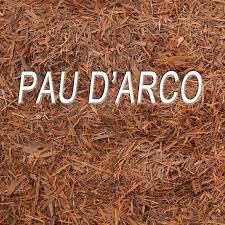

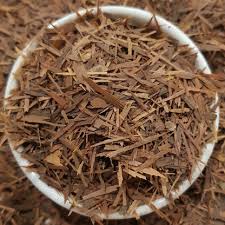
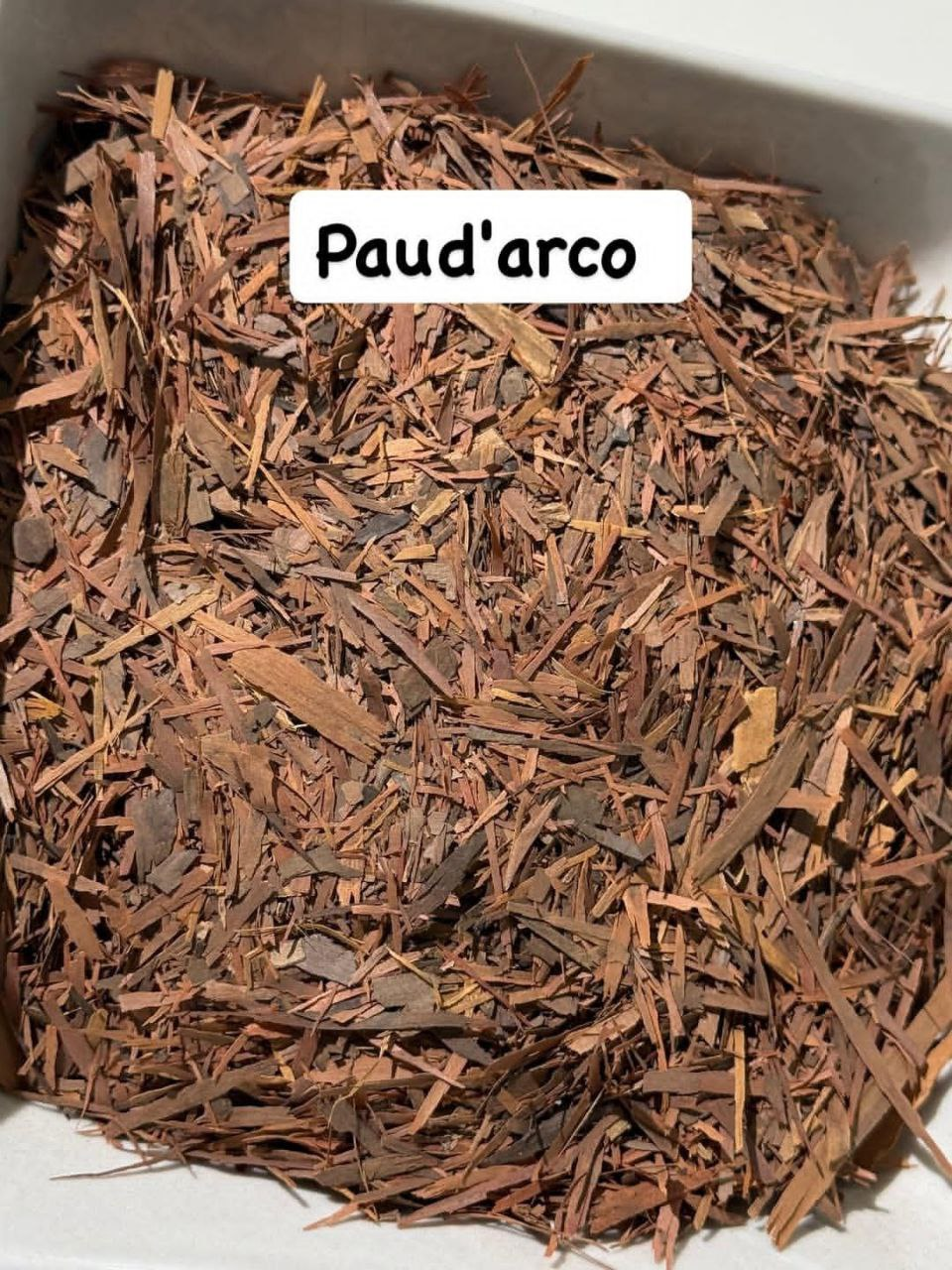
Pau Da’rco Herb
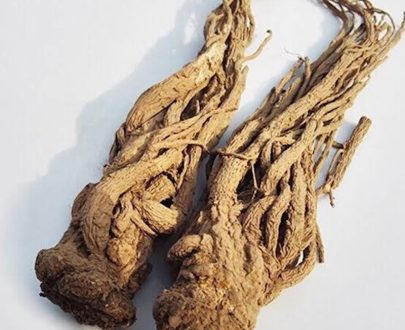
Pau d’Arco (pronounced pow-dar-ko) is a traditional South American herb that has gained global attention for its healing properties.
What Pau d’Arco Is
- Botanical name: Tabebuia impetiginosa or Handroanthus impetiginosus.
- Also called: Taheebo, Lapacho.
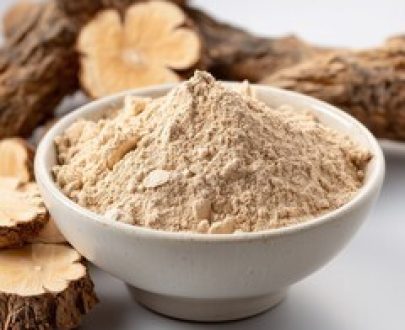
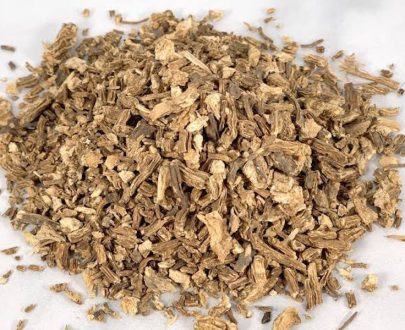
- Comes from the inner bark of a large tree native to the Amazon rainforest and other parts of South & Central America.
- Traditionally brewed as a tea by indigenous peoples for a wide range of ailments.
Main Compounds
- Naphthoquinones (lapachol, β-lapachone) → antimicrobial, antifungal.
- Quercetin & flavonoids → antioxidant, anti-inflammatory.
- Carnosol-like compounds → potential immune-modulating effects.
Health Benefits (Traditional & Researched)
- Antimicrobial & Antifungal
- Traditionally used for Candida (yeast infections), ringworm, and fungal issues.
- Active compounds show antibacterial effects against some pathogens.
- Immune Support: Boosts white blood cell activity; used for colds, flu, and chronic infections.
- Anti-inflammatory: May help with arthritis, gastritis, and inflammatory conditions.
- Detox & Blood Health: Historically considered a “blood purifier,” used in detox regimens.
- Cancer Research (Experimental): Some compounds (lapachol, β-lapachone) have shown anticancer activity in lab studies, but human clinical evidence is lacking.
How People Use Pau d’Arco
- Tea (Lapacho tea): → 1–2 teaspoons inner bark simmered in water for 15– → Traditionally drunk daily for infections or detox.
- Capsules/Tablets: → Standardized extracts (usually 500–1000mg per capsule).
- Tincture: → Alcohol-based extract for concentrated use.
Precautions
- Safety: Generally safe in moderate amounts (as tea or supplement).
- High doses of lapachol (in pure form) caused side effects in studies (nausea, anemia, bleeding issues).
- Pregnancy & breastfeeding: Avoid — safety not established.
- Medication interactions:
- Blood thinners (may increase bleeding risk).
- Chemotherapy drugs (possible interference).
- Immunosuppressants (may counteract).
✅ Typical Safe Dose
- Tea: 1–2 cups per day.
- Capsules: 500–1000mg daily (check product instructions).
- Tincture: About 1–2ml, 2–3 times daily (depending on concentration).
Quick comparison with Passion Flower & Parsley:
- Pau d’Arco → antimicrobial, antifungal, immune & detox support.
- Passion Flower → calming, sleep, anxiety.
- Parsley → nutrient-rich, kidney & digestion support.
Specification: Pau Da’rco Herb
|



There are no reviews yet.