
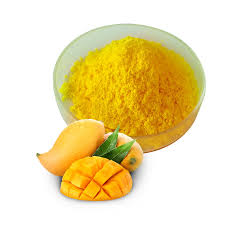
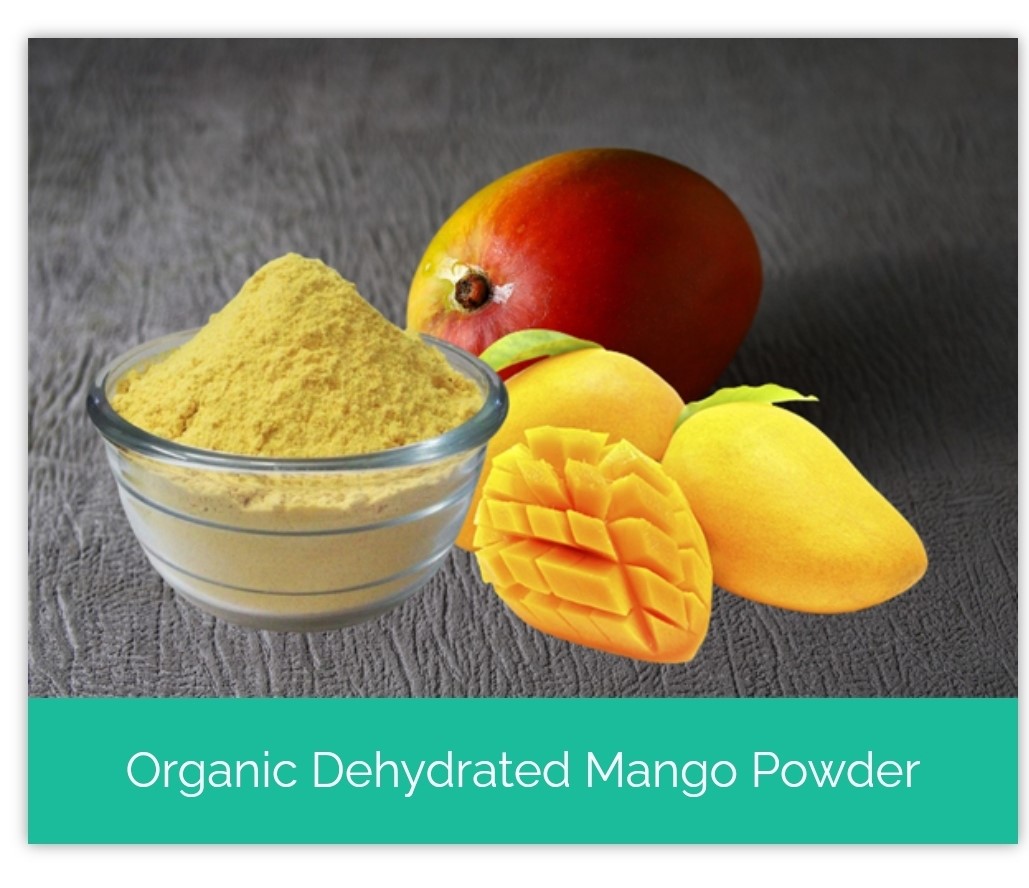
Mango Powder
Amchur has been used in Indian cooking for hundreds of years because fresh lemons were not always available year-round — mango powder was a brilliant way to add sourness without spoilage.
Mango powder is a little different from dried mango slices — it’s a spice and flavoring agent that has been used for centuries, especially in South Asian cooking.
What is Mango Powder
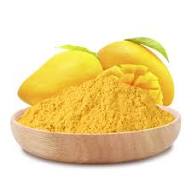
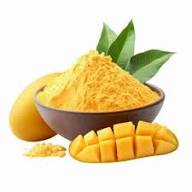
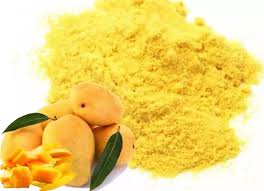
- Also called Amchur / Amchoor (from Hindi aam = mango, choor = powder).
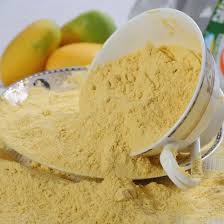
- Made by drying unripe green mangoes and grinding them into a fine powder.
- Has a tangy, citrusy, sour flavor (not sweet like ripe mango).
- Commonly used in Indian, Pakistani, and Middle Eastern cuisine as a souring agent, similar to tamarind or lemon.
Nutrition & Benefits
Since it’s made from unripe mango, mango powder is more of a flavoring spice than a bulk food. Still, it carries some nutrients:
- Vitamin C → supports immunity (though some is lost in drying).
- Antioxidants → polyphenols may help reduce inflammation.
- Iron absorption aid → Vitamin C enhances iron absorption, which is why it’s often paired with legumes.
- Digestive support → traditionally used in Ayurveda for digestion.
A typical sprinkle doesn’t give you huge nutrition, but it enhances meals with flavor while adding small health perks.
Common Uses
Mango powder is very versatile in cooking:
- Curries & dals (lentils) → adds tang without extra liquid.
- Dry rubs & marinades → for meat, fish, or tofu.
- Chutneys & pickles → boosts tartness.
- Snacks → sprinkled on fruit, roasted nuts, or street foods.
- Seasoning mixes → like chaat masala, a famous Indian spice blend.
👉 Think of it as a “dry lemon juice” substitute.
Things to Note
- Strong flavor → a little goes a long way (½–1tsp is usually enough).
- Storage → keep in an airtight jar away from light and moisture to preserve tanginess.
- Not the same as mango fruit powder → which is made from ripe, sweet mango (used for smoothies, baking, or drinks).
Specification: Mango Powder
|





There are no reviews yet.